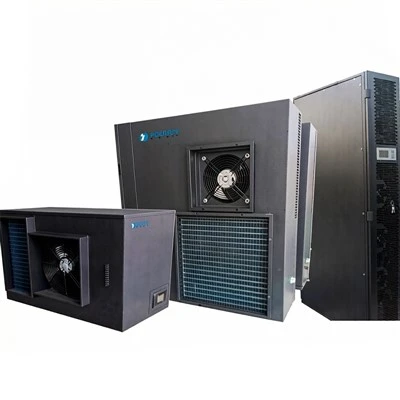
As a supplier of industrial screw compressors, I often encounter customers who are eager to understand how to measure the flow rate of these essential machines. Measuring the flow rate of an industrial screw compressor is crucial for ensuring optimal performance, efficiency, and cost – effectiveness in various industrial applications. In this blog, I will delve into the importance of flow – rate measurement, the different methods available, and some practical tips for accurate measurement. Industrial Screw Compressor
Why Measure the Flow Rate of an Industrial Screw Compressor?
The flow rate, also known as the capacity, of an industrial screw compressor refers to the volume of air or gas that the compressor can deliver within a specific time frame, usually measured in cubic feet per minute (CFM) in the United States or cubic meters per hour (m³/h) in most other parts of the world. Accurately measuring the flow rate is essential for several reasons.
First and foremost, it helps in determining whether the compressor is meeting the requirements of the industrial process. In many manufacturing and production facilities, the proper functioning of pneumatic tools, equipment, and processes depends on a consistent and sufficient supply of compressed air or gas. If the flow rate is too low, it can lead to reduced productivity, inefficient operation of equipment, and even product quality issues. On the other hand, if the flow rate is too high, it can result in unnecessary energy consumption and increased operational costs.
Secondly, measuring the flow rate is crucial for assessing the performance and efficiency of the compressor. Over time, wear and tear, fouling of components, or improper maintenance can cause the compressor’s performance to degrade. By regularly monitoring the flow rate, operators can detect any changes in performance early and take corrective actions, such as maintenance or replacement of parts, to ensure the compressor continues to operate at its optimal level.
Finally, accurate flow – rate measurement is important for energy management. Compressed air systems are often one of the most energy – intensive parts of an industrial facility. By knowing the actual flow rate, facility managers can optimize the compressor’s operation, adjust the settings, and implement energy – saving measures, such as demand – side management and compressor sequencing, to reduce energy consumption and lower operating costs.
Methods of Measuring the Flow Rate of an Industrial Screw Compressor
There are several methods available for measuring the flow rate of an industrial screw compressor. Each method has its own advantages and limitations, and the choice of method depends on various factors, such as the type of compressor, the operating conditions, the required accuracy, and the budget.
1. Orifice Plate Flow Meter
The orifice plate flow meter is one of the most commonly used methods for measuring the flow rate of compressed air or gas. It works on the principle of creating a pressure drop across an orifice plate installed in the pipeline. The pressure drop is proportional to the square of the flow rate, and by measuring the pressure difference before and after the orifice plate, the flow rate can be calculated using the Bernoulli equation.
Orifice plate flow meters are relatively simple and inexpensive to install. They are also suitable for a wide range of flow rates and are compatible with different types of gases. However, they have some limitations. The pressure drop across the orifice plate can cause energy loss, and the accuracy of the measurement can be affected by factors such as the Reynolds number, the roughness of the pipe walls, and the presence of contaminants in the gas.
2. Venturi Meter
A Venturi meter is another type of differential – pressure flow meter that can be used to measure the flow rate of an industrial screw compressor. Similar to the orifice plate flow meter, it operates based on the principle of creating a pressure drop in the fluid flow. However, the Venturi meter has a more streamlined design, which reduces the energy loss associated with the pressure drop.
The Venturi meter consists of a converging section, a throat, and a diverging section. As the fluid passes through the converging section, its velocity increases, and the pressure decreases. The pressure difference between the inlet and the throat is measured, and the flow rate is calculated using the Bernoulli equation. Venturi meters are more accurate than orifice plate flow meters, especially at low flow rates. They are also less prone to clogging and are suitable for measuring the flow of dirty or viscous fluids. However, they are more expensive to install and require more space compared to orifice plate flow meters.
3. Thermal Mass Flow Meter
Thermal mass flow meters measure the flow rate of a gas based on the principle of heat transfer. They consist of two temperature sensors and a heating element. One of the temperature sensors measures the ambient temperature of the gas, while the other is heated by the heating element. As the gas flows over the heated sensor, it carries away heat, and the rate of heat transfer is proportional to the mass flow rate of the gas.
Thermal mass flow meters are highly accurate and can measure the flow rate directly in mass units, which is useful in applications where the mass of the gas is more important than its volume. They are also suitable for measuring the flow of low – velocity gases and are not affected by changes in pressure or temperature. However, they are relatively expensive and may require calibration for different gases.
4. Ultrasonic Flow Meter
Ultrasonic flow meters use ultrasonic waves to measure the flow rate of a fluid. There are two main types of ultrasonic flow meters: transit – time and Doppler.
Transit – time ultrasonic flow meters measure the difference in the time it takes for ultrasonic waves to travel upstream and downstream in the fluid. The flow rate is calculated based on this time difference. These meters are non – intrusive, which means they can be installed on the outside of the pipeline without interrupting the flow. They are also suitable for measuring the flow of clean fluids and are relatively accurate.
Doppler ultrasonic flow meters, on the other hand, measure the frequency shift of ultrasonic waves reflected from particles or bubbles in the fluid. They are suitable for measuring the flow of dirty or aerated fluids. However, their accuracy can be affected by the size and concentration of the particles or bubbles in the fluid.
Practical Tips for Accurate Flow – Rate Measurement
Regardless of the method chosen for measuring the flow rate of an industrial screw compressor, there are several practical tips that can help ensure accurate measurement.
- Proper Installation: Ensure that the flow meter is installed correctly according to the manufacturer’s instructions. This includes proper positioning in the pipeline, correct alignment, and appropriate connection of the pressure or temperature sensors. Incorrect installation can lead to inaccurate measurements.
- Calibration: Regularly calibrate the flow meter to ensure its accuracy. Calibration should be performed using a certified reference standard, and the frequency of calibration depends on the type of flow meter and the application.
- Account for Environmental Factors: Be aware of environmental factors such as temperature, pressure, and humidity, which can affect the accuracy of the flow – rate measurement. Make appropriate corrections to the measurement based on the actual operating conditions.
- Maintenance: Keep the flow meter and the associated piping system clean and well – maintained. Remove any contaminants or debris that may accumulate in the pipeline, as they can affect the flow characteristics and the accuracy of the measurement.
Conclusion
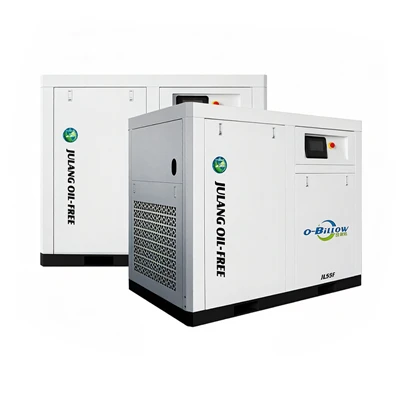
Measuring the flow rate of an industrial screw compressor is a critical aspect of ensuring its optimal performance, efficiency, and cost – effectiveness. There are several methods available for flow – rate measurement, each with its own advantages and limitations. By understanding the importance of flow – rate measurement, choosing the appropriate method, and following practical tips for accurate measurement, industrial operators can effectively monitor and control the operation of their screw compressors.
Industrial Chiller If you are in the market for an industrial screw compressor or need more information about flow – rate measurement and its importance in your specific application, I encourage you to reach out to our team. We have a wealth of experience in providing high – quality industrial screw compressors and can offer expert advice on flow – rate measurement and compressor selection. Contact us today to start a conversation about your industrial compressed – air needs.
References
- ASME MFC – 3M Standard Specification for Measuring the Flow of Gas by Means of Orifice Meters
- ISO 5167 – 1 Measurement of fluid flow by means of pressure differential devices inserted in circular cross – section conduits running full – Part 1: General principles and requirements
- ISO 14511 Thermal mass flow meters for gas – Requirements and test methods
- ISO 11631 Ultrasonic flow meters for heating installations in buildings – Method of test
Shanghai Soouney Refrigeration Equipment Co., Ltd.
As one of the most professional industrial screw compressor manufacturers and suppliers in China, we offer a wide range of products with superior quality. Please feel free to wholesale customized industrial screw compressor from our factory. Also, quotation is available.
Address: 1st Floor, Office Building, No. 15 Tongxin East Road, Wanping, Wujiang District, Suzhou City, Jiangsu Province (Shuni Company)
E-mail: shkt@souney.com.cn
WebSite: https://www.soouneyrefrigeration.com/
