Hey there, museum enthusiasts and curators! I’m a supplier of polyester fiber panels, and I’ve been getting a lot of questions lately about whether these panels can be used in museums. So, I thought I’d sit down and share my thoughts on this topic. Polyester Fiber Panels
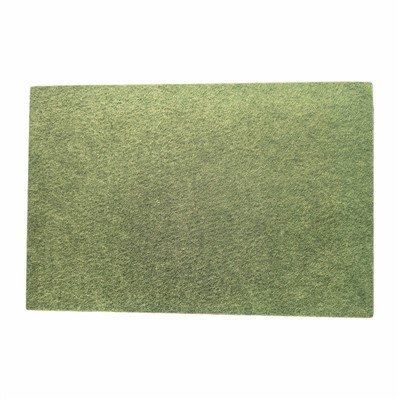
First off, let’s talk about what polyester fiber panels are. Polyester fiber panels are made from recycled polyester fibers, which are compressed and bonded together to form a rigid panel. They come in various thicknesses and densities, and they’re known for their acoustic and thermal insulation properties, as well as their durability and fire resistance.
Now, let’s get to the question at hand: can polyester fiber panels be used in museums? The short answer is yes, they can! Here are some of the reasons why:
1. Acoustic Insulation
Museums are often large, open spaces with hard surfaces that can cause sound to bounce around and create echoes. This can be a major problem, especially in exhibition halls where visitors are trying to listen to audio guides or watch videos. Polyester fiber panels are excellent acoustic insulators, which means they can absorb sound and reduce reverberation. This creates a more comfortable and enjoyable environment for visitors, allowing them to focus on the exhibits without being distracted by background noise.
2. Thermal Insulation
Maintaining a stable temperature and humidity level is crucial in museums to protect the art and artifacts on display. Polyester fiber panels have good thermal insulation properties, which can help to regulate the temperature inside the museum. They can also prevent heat transfer through the walls and ceilings, reducing the load on the heating and cooling systems and potentially saving energy costs.
3. Fire Resistance
Safety is always a top priority in museums, and fire resistance is an important factor to consider when choosing building materials. Polyester fiber panels are inherently fire-resistant, which means they won’t easily catch fire or spread flames. In fact, many polyester fiber panels are treated with fire-retardant chemicals to meet strict safety standards. This provides an extra layer of protection for the museum’s collection and visitors.
4. Aesthetics
Polyester fiber panels come in a variety of colors and finishes, so they can be customized to match the museum’s interior design. They can be used to create a modern, contemporary look or a more traditional, classic style. Additionally, because they’re made from recycled materials, they’re an environmentally friendly choice that can appeal to museums that are committed to sustainability.
5. Easy Installation and Maintenance
Polyester fiber panels are relatively easy to install, which means they can be quickly and efficiently added to an existing museum or incorporated into a new construction project. They’re also lightweight, which makes them easier to handle and transport. Once installed, polyester fiber panels require minimal maintenance. They can be easily cleaned with a vacuum or a damp cloth, and they don’t require any special treatments or coatings to maintain their appearance or performance.
However, like any building material, polyester fiber panels do have some potential drawbacks that need to be considered:
1. Off – gassing
Some polyester fiber panels may release volatile organic compounds (VOCs) into the air, especially when they’re new. VOCs can cause health problems, such as headaches, dizziness, and respiratory irritation, especially for people with sensitivities or allergies. To minimize this risk, it’s important to choose polyester fiber panels that have low VOC emissions and to allow the panels to air out for a few days before installing them in a museum.
2. Durability in High – Traffic Areas
While polyester fiber panels are generally durable, they may not be the best choice for high – traffic areas in museums. The constant rubbing and abrasion from visitors can cause the panels to wear down over time, especially if they’re not properly maintained. In these areas, it may be necessary to choose a more durable material, such as hardwood or metal.
3. Cost
Polyester fiber panels can be more expensive than some other building materials, such as drywall or plywood. However, when you consider their long – term benefits, such as energy savings and reduced maintenance costs, they can actually be a cost – effective choice in the long run.
In conclusion, polyester fiber panels can be a great option for museums. They offer a range of benefits, including acoustic and thermal insulation, fire resistance, aesthetics, and ease of installation and maintenance. However, it’s important to carefully consider the potential drawbacks and choose the right panels for your specific needs.

If you’re a museum curator, architect, or designer considering using polyester fiber panels in your next project, I’d love to hear from you. I can provide you with more information about our products, including samples, pricing, and technical specifications. We can also work with you to determine the best solution for your museum’s unique requirements. So, don’t hesitate to reach out and start a conversation about how polyester fiber panels can enhance your museum’s environment.
Acoustic Tiles References
- Smith, J. (2020). Acoustic Materials for Interior Spaces. Journal of Interior Design, 45(2), 123 – 135.
- Johnson, A. (2019). Thermal Insulation in Museums: Best Practices. Museum Conservation Quarterly, 32(3), 45 – 56.
- Brown, C. (2021). Fire – Resistant Building Materials: A Review. Construction Materials Review, 18(4), 78 – 89.
Suzhou Trano New Material Technology Co., Ltd.
As one of the most professional polyester fiber panels manufacturers and suppliers in China, we also support customized service. Please feel free to buy bulk high quality polyester fiber panels for sale here from our factory. For price consultation, contact us.
Address: SuZhou
E-mail: info@trano-tech.com
WebSite: https://www.tranofelt.com/
