If you’re working in electrical maintenance, high-voltage equipment testing, or even industrial gas analysis, you’ve probably heard of SF6 analyzers. As someone who’s been supplying these tools for years (and talking to technicians every single day), I can tell you one thing: a lot of folks skip the step-by-step process when operating them, and that’s where mistakes happen. You don’t have to be a lab specialist to get accurate, reliable readings—you just need to take it slow, follow the basics, and pay attention to the little details that make all the difference. SF6 Analyzer
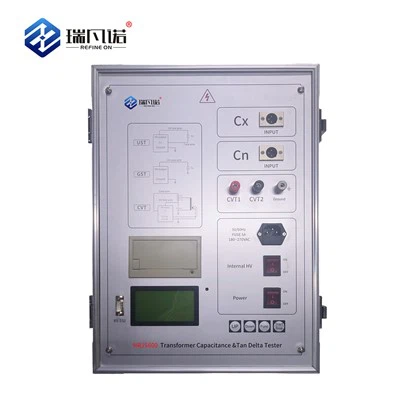
First, let’s get one thing straight: SF6 analyzers aren’t like your home thermometer or a basic gas detector. These machines are built to pick up even tiny impurities in sulfur hexafluoride (SF6), which is the gas used to insulate and cool high-voltage gear like circuit breakers, transformers, and switchgears. Those impurities—moisture, air, decomposition byproducts—can wreck equipment efficiency, cause faults, or even lead to safety hazards if they build up. So operating your analyzer right isn’t just about getting a number; it’s about keeping your team and your equipment safe.
Let’s start with prep work, because rushing here is the #1 mistake I see new users make. Before you even turn the machine on, grab your tools and do a quick check. First, make sure your sample line is clean. A lot of techs reuse lines without flushing them, and leftover SF6 from the last test or dust can skew results. I tell my customers to blow through the line with dry, clean nitrogen (or even the SF6 you’re about to test, if nitrogen isn’t available) for 30 seconds to get rid of any gunk. Next, check the gas cylinder you’re using. If it’s a reusable cylinder, confirm it’s not expired, the valve isn’t leaking, and the pressure is at a safe level—you don’t want it running out mid-test. And don’t forget to calibrate your analyzer first if you haven’t used it in over a month, or if it’s been moved. Calibration is non-negotiable; even a $1000 machine will give garbage readings if it’s not calibrated to a known standard. Most analyzers have a quick auto-cal mode, but I always recommend a manual double-check with a reference gas (we supply calibration gases for this, fyi) just to be sure.
Once you’re prepped, it’s time to set up the test. Most modern SF6 analyzers are portable these days, so you can bring them right to the equipment you’re testing—no need to haul heavy samples back to a lab. When you connect the sample line to the equipment’s test port, make sure the fitting is tight, but don’t over-tighten it; you’ll crack the port or the line. Attach the analyzer’s flow meter too, and adjust the flow rate to the manufacturer’s specs—usually around 0.5 to 1 liter per minute. Too fast, and the gas won’t properly pass through the sensor; too slow, and you’ll wait forever for results. If the flow rate won’t stay steady, check for leaks in the line—even a tiny pinhole can mess things up.
Now, turn the machine on. Wait for the warm-up cycle. This takes 2 to 5 minutes, depending on the model, and it’s not a “luxury”—the sensors need to reach a stable temperature to give accurate readings. While you’re waiting, do a quick visual check of the machine: no loose wires, no dents, the battery is charged (portable models die fast if you skip checking the battery). Once warm-up is done, you’ll see a few test options on the screen: moisture content, purity, decomposition products (like SO2, H2S, HF), and maybe even a total impurity count. Pick the test you need—most of the time, technicians test for purity and moisture first, since those are the most common issues.
Let’s talk about the actual test process. For purity, you’re measuring how much SF6 is in the sample vs. air or other gases. For moisture, you’re checking parts per million (ppm) of water vapor—high moisture can cause arcing and corrode internal parts. For decomposition products, those are what happens when SF6 breaks down under electrical stress, so they’re a sign of a fault in the equipment. Once you hit “start,” don’t walk away. I know it’s tempting to check your phone while the machine runs, but keep an eye on the flow rate and the screen. If the reading starts spiking or dropping suddenly, that’s a sign of a leak, not a real result. Most tests take 2 to 10 minutes, depending on the model, so grab a notebook (or use the machine’s built-in log) to jot down the numbers as they come.
Wait, what do those numbers mean? Let’s break it down quick, because a lot of techs look at a reading and don’t know if it’s good or bad. For purity: SF6 used in equipment should be 99.9% pure or higher. If it’s below 99.5%, that’s a red flag—you’ve probably got air leaking into the gear, and you need to fix that. For moisture: the industry standard is less than 100 ppm for new equipment, and less than 200 ppm for in-service equipment. If it’s over that, you need to dry out the SF6. For decomposition products: SO2 over 1 ppm is a sign of partial discharge, H2S over 0.1 ppm is a sign of overheating, and any amount of HF is really bad—it’s corrosive and toxic, so you need to act fast if you see that.
Once the test is done, don’t just shut the machine off and leave. First, close the gas cylinder valve, then disconnect the sample line, and flush the line with dry air or nitrogen to get rid of any leftover SF6. If you leave SF6 in the line, it can degrade over time and cause issues for your next test. Turn the machine off, clean the sensors if needed (check your manual for how—some analyzers have a sensor wipe option), and store it in a cool, dry place away from direct sunlight and heavy equipment. If you’re transporting it, use the carry case we supply with most models—dropping a portable analyzer is a quick way to break a sensor.
Now, let’s cover some common mistakes that even experienced techs make. First, not letting the sample line acclimate to the environment. If you bring an analyzer from a cold van into a warm facility, wait 15 minutes for it to adjust—condensation can form inside the machine and ruin readings. Second, testing a sample that’s been sitting too long. If you take an SF6 sample and leave it in a bottle for a week, moisture can seep in, so test within 24 hours of collecting it. Third, ignoring safety. SF6 is non-toxic, but it displaces oxygen, so make sure you’re testing in a well-ventilated area, and never release SF6 into an enclosed space. And if you ever see a reading that’s way out of the ordinary—like a purity of 50%—don’t just accept it; check for leaks in the line, because that’s not possible from the equipment itself.
I get it, operating an SF6 analyzer can feel overwhelming at first. That’s why we make these machines as user-friendly as possible—one-touch buttons, clear screens, step-by-step prompts, and we also send a quick cheat sheet with every unit. But if you’re still unsure, or you need help troubleshooting a reading, our team is here to walk you through it. We don’t just sell analyzers; we work with technicians every day to make sure you get reliable results that keep your equipment running and your team safe.
Whether you’re a small maintenance shop or a large utility company, having the right tools and knowing how to use them properly is key. Don’t cut corners on prep, don’t skip calibration, and pay attention to the small details during the test. If you’re in the market for a new SF6 analyzer, or you need supplies like calibration gases, replacement lines, or sensor parts, get in touch with our team. We’ll help you pick the right model for your needs, answer all your questions, and make sure you feel confident operating it.
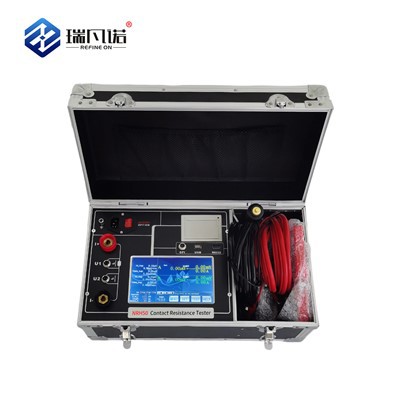
Don’t let a bad test result lead to a costly equipment failure. Take the time to do it right, and your SF6 analyzer will be a tool you rely on for years. Reach out to our team to learn more or to start a conversation about your needs.
Resistance Tester References
- IEC 60480:2019, Guide for the checking and handling of sulphur hexafluoride (SF6) used in electrical equipment
- ASTM D2900-21, Standard Practice for Sampling and Analysis of Sulfur Hexafluoride (SF6) Gas for Electrical Industry Applications
- Cigré Technical Brochure 797, SF6 Gas Management in Electrical Equipment: Best Practices for Testing and Maintenance
Refine On (Hebei) Electric Power Technology Co., Ltd.
Refine On (Hebei) Electric Power Technology Co., Ltd. is one of the most reliable sf6 analyzer manufacturers and suppliers in China, also supports customized service. Please feel free to wholesale advanced sf6 analyzer at competitive price from our factory. Contact us for quotation.
Address: Building 13, Liandong U Valley, No.64, Jing SAN South Street, Economic Development Zone, Mancheng District, Baoding City, China
E-mail: victor@transformer-test.com
WebSite: https://www.transformer-test.com/
