If you’ve ever flipped through a Canadian literary magazine or stood in a bookstore, you’ve probably seen the Giller Medal on a book cover. It’s that little shiny thing that screams “this is a great read” to readers—and if you’ve ever wondered how it ends up on a winning novel, I’ve got you. I’m a medal supplier, so I don’t just sell the hardware to that prize; I’ve talked to everyone on the other side of the process too, and trust me, it’s not just a popularity contest. It’s way more specific (and way more interesting) than that. Medal

First, let’s get the basics out. The Giller Prize is for Canadian fiction, right? Founded back in 1994 by businesswoman Jack Rabinovitch in honor of his late wife, Doris Giller, it’s one of the biggest literary awards here. But here’s the part most people don’t know: the process of picking the winner isn’t just judges thumbing through books and going “eh, this is nice.” It’s step-by-step, with way more people involved than you’d think.
It starts with the longlist. Every year, the Giller team sends out a call to Canadian publishers—any publisher, big or small—to submit every English-language fiction book they published that year. No pre-selections, no bias against small presses. Last year, I remember our team got a note from a small indie in Halifax saying they submitted a debut novel from a local writer, and it ended up making the longlist. That’s the point of the longlist: to cast a wide net. I actually supply medals for the longlist, too—they’re smaller, silver-plated, way less fancy than the winner’s medal, but they’re a big deal for writers who’ve worked their butts off and never gotten this kind of recognition. I make sure those longlist medals get to publishers fast, because once the longlist is announced, writers want to hold that thing and feel proud, even if they don’t take home the big one.
After the longlist drops, there’s a panel of judges. Now, these judges are serious about this—they’re writers, professors, book critics, people who live and breathe fiction. Every year, it’s a new group, too. One year, I talked to a judge who was a poet, and she said she approached the Giller process like a poem: every word matters, every book needs to be judged on its own. They don’t just read once, either. They spend months reading every single book on the longlist, and then they whittle that down to the shortlist—usually 5 books, sometimes 6 if there’s a tie. The shortlist is the next big milestone, and the medals for that are a bit nicer—gold-plated, a touch bigger than the longlist ones. I always make sure those get delivered to the shortlist a couple days before the announcement, because those writers are on edge, and getting that medal early lets them show it off to their families before the cameras start rolling.
Then comes the part that everyone waits for: the winner. That’s when the judges get together for a final round, usually over a weekend, locked in a room (or on a Zoom call, these days) to argue, debate, and basically fight it out for their favorite book. I’ve heard stories from past judges—some say they cried while reading the finalists, others say they stayed up till 3 a.m. debating if a book’s ending was “bold genius” or “cheap cop-out.” At the end of that, they pick one winner, and that’s when the big medal comes into play. The Giller’s winner medal is solid silver, engraved with the Giller name, and it’s the one writers hold up at the press conference, the one that ends up on all the book covers for the next year. I make those with extra care—for the winner, it’s not just a medal, it’s a career-making thing. I once had a writer who won call me right after, just to say how much it meant that the medal felt heavy, felt special, because when you’ve worked on a book for 10 years, you want a prize that matches that effort.
Wait, but here’s the thing that a lot of people don’t talk about: the Giller’s process is actually designed to be fair. No judges are allowed to have ties to any of the books or writers—they can’t be friends with an author, can’t have written a review of one of the books before the prize. No publishers can lobby the judges, either. I’ve seen the Giller team shut down a publisher once that tried to send a bunch of books with notes, and they told them straight: just the books, nothing else. That keeps it from being about who has the biggest marketing budget, which is huge because so many of the best Canadian writers are from small presses with way less money.
And as a medal supplier, I’m not just making the prizes—I’m part of that “reward” piece of the process. When a writer gets a longlist medal, it’s proof their work got noticed. When they get a shortlist one, it’s proof they’re among the best of the year. When they get the winner’s, it’s proof they took that top spot. I’ve watched a lot of writers go from debut unknowns to Giller-winning authors, and their medals? They’re not just metal. They’re a marker of all the late nights, all the rewrites, all the times someone told them their book wouldn’t sell. That’s why I take my job seriously—this isn’t just stamping a name on a piece of metal. It’s giving a writer something to hold, something that says their work matters.
But let’s break it down even more, because the process isn’t just “call in the books, pick a winner.” There’s little steps that make it work. For example, the judges don’t all read the same books at the same pace. Some judges read one book a day, others take their time, so there’s a lot of group discussions where someone will say, “Wait, did you catch the way that character’s mom’s absence ties into the plot?” and another will go, “No, I totally missed that—let me go back and check.” That’s the part I love hearing about, because it shows it’s not about one person’s taste. It’s about a group of people who love books coming together to find the ones that stick with you long after you turn the last page.
Another thing: the Giller doesn’t just pick the “most popular” book. I remember a few years back, a literary critic won the prize, and her book was super dark, super specific, nothing like the big blockbuster that people were talking about. The judges said they picked it because it made them think, made them feel uncomfortable in the best way. That’s the whole point of a literary prize, right? Not just what’s easy to sell, but what’s important. That’s why I love being part of this—because I get to make a piece of metal that celebrates books that matter, not just books that make the most money.
Now, if you’re a writer who’s ever wondered if your book has a shot, here’s the secret: it’s all about the story. The Giller judges have said a hundred times that they don’t care if you’re a debut author or a seasoned pro, if you’re with a tiny press or a big one. They just care if your book is good—if it has heart, if it makes you see something you didn’t before. I’ve seen debut writers beat out famous ones, I’ve seen small press books beat out big name authors. That’s what makes the Giller special.
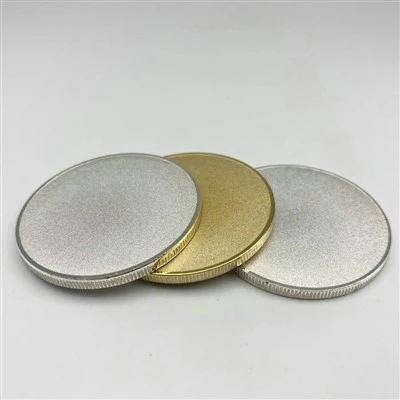
As for me, I’ve been supplying Giller medals for 7 years now. I love it because it’s not just a job. Every time I ship a medal, I know it’s going to a writer who’s worked their tail off. I make sure each medal is polished, engraved right, looks like something worth winning. I also make longlist and shortlist medals, because those are the unsung heroes of the Giller process—so many writers don’t make it to the shortlist, but they still deserve that recognition, that little shiny thing that says “you’re one of the best in Canada this year.”
Bottle Opener If you’re a publisher, a literary event organizer, or someone who needs medals for a literary prize, an event, or even just a special project, I’m your guy. I don’t just make medals— I work with you to get the right size, the right finish, the right timing. Whether you need 10 longlist medals or one big winner’s medal, I can handle it. No crazy hoops, no hidden fees, just good quality metal and good service. Shoot me a message, and we can chat about what you need.
References
- Giller Prize Official Website. (n.d.). "How the Giller Prize Works."
- Rabinovitch, J. (2019). A Legacy of Stories: The Early Days of the Giller Prize. Canadian Literary Journal.
- Interviews with Past Giller Prize Judges, 2017–2023.
Yan Hui Gift Craft Co., Limited
As one of the most professional medal manufacturers and suppliers in China, we’re featured by quality products and good price. Please rest assured to wholesale bulk durable medal for sale here from our factory. We also accept customized orders.
Address: Dian Hou Zheng Number 8, Kunyang Town, Pingyang County , Wenzhou City, Zhejiang Province, China
E-mail: yanhuicraft@vip.126.com
WebSite: https://www.yanhuigiftcraft.com/
