If you’re anything like me, you’ve got a wine problem: not the “I drink too much” kind, but the “I have way more bottles than I know what to do with” kind. Maybe you’re a small bar owner cramming a back bar that’s only 4 feet wide, or a home wine lover who’s run out of space under the stairs and on the kitchen counter, or even a boutique tasting room that’s got a thousand bottles but a wall that won’t fit a full rack. As someone who’s been in the wine display game for years—working with everything from tiny corner shops to upscale wine bars, and yeah, even a few people’s messy home pantries—I get the struggle. Wine isn’t just something you drink; it’s something you curate, show off, and access quickly, but space? It’s the ultimate enemy. So let’s break down the actual space-saving options that don’t suck—no flimsy plastic racks, no weirdly angled displays that make your favorite red impossible to grab, just stuff that works. Wine Display

First, let’s talk about vertical display, because duh—why waste all that wall or shelf space you’re not using? But not just any vertical stuff. A lot of people think “vertical” means those cheap wire wall racks you see at the grocery store, but those are garbage. They bend, they don’t protect the bottles, and they look like afterthoughts. The good vertical displays are the ones that use every inch of vertical space without cramming bottles so close you can’t see labels or grab them without knocking over three others. For small setups, like a home kitchen or a tiny bar’s side wall, modular wall-mounted wine rail racks are a game-changer. These aren’t the flimsy ones—they’re solid, they mount to studs (don’t skip that, I see you drilling into drywall), and each rail holds 2 to 4 bottles horizontally, so labels face out perfectly. The best part? You can space them 12 inches apart or 6 inches apart, depending on how much room you have. If your wall is only 18 inches wide, you can fit two rails, each holding 3 bottles, so 6 total bottles in 18 inches of space. I’ve installed these in a 200-square-foot wine shop where they used to have just a single shelf that held 8 bottles; now they’ve got 22 on the same wall. Pro tip: mix in a few bottle openers mounted right on the rails—no more digging for a corkscrew when you’re hosting, and it uses zero extra space.
But if walls are off-limits—say you’re a home renter who can’t drill holes, or your tasting room has zero empty wall space—freestanding vertical floor racks are the way to go. Wait, not the big ugly ones that take up 3 feet of floor space. The slim ones, like the tiered floor racks that are only 10 inches deep. These are designed to slide into corners, between a fridge and a counter, or even next to a coat rack (as long as it’s not blocking a door). Most hold between 12 and 20 bottles, stacked in staggered horizontal rows so each bottle is visible and accessible. I had a client who’s a part-time sommelier living in a 500-square-foot apartment; she put one of these slim racks next to her mini-fridge, and now she has 18 bottles instead of the 3 she had before. The trick here is to pick a rack with a sturdy base—no wobbly legs, because you don’t want a whole bottle of Cabernet crashing to the floor at 2 a.m. Also, avoid the ones that hold bottles neck-up; you need them horizontal to keep the corks moist, which is way better for wine aging, even if you’re not storing it long-term.
Next up: under-shelf and slide-out displays, because let’s be real, there’s so much dead space under upper cabinets or above fridge shelves that no one uses. For home setups, under-shelf wine hangers are perfect—they clip right onto the bottom of a kitchen or pantry shelf, hold 3 to 6 bottles each, and don’t take up any extra floor or counter space. I’ve got a friend who uses these under the shelf above her kitchen sink, and it’s her go-to spot for white wines she grabs for casual dinners. For commercial spaces, slide-out under-counter wine drawers are a total game-changer. These aren’t the boring built-ins you see in fancy kitchens; they’re custom (or semi-custom, which is way cheaper) drawers that pull out from under a bar or a sales counter, lined with slats that hold bottles horizontally. You can fit 10 to 15 bottles in a drawer that’s only 12 inches deep, so it’s using space that would otherwise be wasted. I installed these in a coffee shop that added a wine menu—they used to have a dead 2-foot space under the counter, now they have 30 bottles of wine ready to serve, no extra floor space needed. The best part: they keep bottles out of direct light, which is crucial for preserving wine, so that’s a win-win.
Wait, what about if you need to display open bottles or those special ones you want people to see, not just store? Those are usually trickier, because open bottles often need to be upright, but upright storage takes way more space. The solution here is tiered tabletop or countertop displays that use every inch of surface without making it cluttered. I know, cluttered displays are the worst—they make your space look messy, and customers can’t see anything. So go for the tiered ones, not the flat trays. A 2-tiered countertop display is only 12 inches deep, holds 4 bottles on the lower tier and 3 on the upper, so total 7 bottles, all labels facing out, and you can even fit a wine opener or a small wine glass on the gap between the tiers. For larger surfaces, modular tiered stands that you can move around—like if you want to move a display from the bar to the front window for a sale—they’re lightweight, stackable, and take up almost no space when you’re not using them. I made a mistake early on, recommending a big heavy wooden display to a small wine shop owner; she couldn’t move it, so it just sat in the back half the time. Now I push modular ones, and she’s been using hers to feature different regional wines every week, bringing in way more sales than when she just had a single shelf.
Then there’s the hidden storage display—for the wine you don’t want to show off, but still need to access, or for spaces where you want displays to look sleek, not like a wine shop. These are perfect for home bars or upscale restaurants where aesthetics matter as much as function. Sliding shelf inserts for existing cabinets are a thing, and they’re so easy to install. You just take out a few of your cabinet shelves, slide in a wine rack insert that holds 15 to 20 bottles, and you’ve got storage that’s completely hidden. I did this for a client who has a modern apartment where he doesn’t want to look like he hoards wine; his cabinet under the TV looks like regular storage, but he pulls out the shelf and there are his reds. For commercial spaces, built-in wine niches are great—they’re small recessed spaces in a wall, like a bookshelf but for wine, that hold 8 to 12 bottles, and they blend right in with your other decor. I put one in a boutique hotel’s lobby, next to their bookcase, and guests have no idea it’s a wine display until they notice the labels. It uses dead wall space between two other shelves, so no extra room needed, and it looks way more high-end than a random rack.
Wait, let’s talk about small spaces specifically—like dorm rooms, tiny apartments, food stalls—where you’ve got basically zero extra room. Oh, bottle wall racks aren’t the only option; there are magnetic wine racks that stick to steel surfaces. If your fridge is steel, you can attach a magnetic rack that holds 4 bottles right to the side of it, no drilling, no floor space, nothing. I’ve had college kids buy these for their dorm rooms, and it’s way better than leaving bottles on their tiny desk. For food stall vendors at farmers markets, portable wine racks that fold flat are a must—they fold up to the size of a laptop when you’re done, and hold 12 bottles when you’re set up. I worked with a guy who sells natural wine at farmers markets, and he used to carry his bottles in coolers, which was a pain to transport. Now he uses these foldable racks, sets them up in 2 minutes, and he looks way more professional, plus he doesn’t have to haul coolers around.
Now, before I wrap this up, let’s be real—no matter how cool the space-saving option is, it needs to do a few key things: it has to protect the wine (no direct sunlight, bottles horizontal, solid construction), it has to be easy to access (you don’t want to dig through a pile of bottles to get your favorite Malbec), and it has to fit your space, not the other way around. A lot of people buy a rack because it looks good online, only to get it home and realize it’s too wide, or the bottles are too big, or it bends after a month. That’s why I always suggest measuring your space first—don’t just count bottles, measure the width, depth, and height of where you want to put it. If your wall is 24 inches wide, a rack that’s 22 inches wide is perfect, not 30 inches. If you’re putting it under a counter that’s 30 inches tall, make sure the rack’s total height is less than that.
At the end of the day, wine display isn’t just about storing bottles—it’s about showing them off, making it easy for you or your customers to pick the right one, and not turning your whole space into a wine storage closet. I’ve seen so many people waste great space on displays that are too big, too flimsy, or just plain not useful. The options I talked about—vertical wall racks, slim floor racks, under-shelf hangers, tiered counter stands, hidden cabinet inserts, magnetic and portable racks—all solve actual space problems without sacrificing what wine display needs to be.
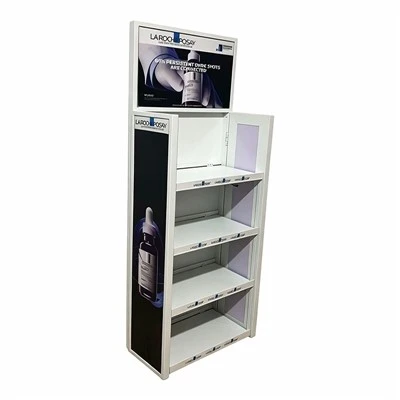
If you’re tired of cramming bottles into every nook and cranny, or if you’re a business owner needing a display that fits your tiny bar, tasting room, or shop, let’s chat. We can walk through your space, measure it, and figure out exactly what works for you—no one-size-fits-all garbage, just display options that fit your space, your bottles, and your style.
Acrylic Pet Supplies References:
- Wine Spectator. "Space-Saving Solutions for Small Wine Storage and Display." 2023.
- International Wine & Spirit Research. "Commercial Wine Display Trends: Space Optimization for Bars and Retail." 2022.
- Home Wine Storage Association. "Best Practices for Horizontal Bottle Storage to Preserve Cork Integrity." 2021.
- National Restaurant Association. "Compact Back-of-House and Front-of-House Storage for Small Foodservice Operations." 2023.
- Small Business Administration. "Retail Space Optimization for Niche Beverage Products." 2022.
Shenzhen Xingzhong Display Products Co., Ltd.
As one of the most professional wine display suppliers in China, we’re featured by quality products and good service. We warmly welcome you to buy customized wine display made in China here from our factory. If you have any enquiry about quotation and free sample, please feel free to email us.
Address: 80 Tangkeng Road, Biling Street, Pingshan District, Shenzhen, Guangdong Province
E-mail: leo@xzdisplay.com
WebSite: https://www.xzdisplay.com/
