Hey folks, if you’ve ever wondered why stainless steel is the go-to for everything from kitchen countertops to industrial ventilation systems, you’ve probably heard someone mumble “it’s fire-resistant” — but how, exactly? As a stainless steel supplier who’s spent years answering this question for contractors, fabricators, and even curious homeowners, I’m here to break this down like we’re chatting over a coffee, no stuffy engineering jargon required. Stainless Steel
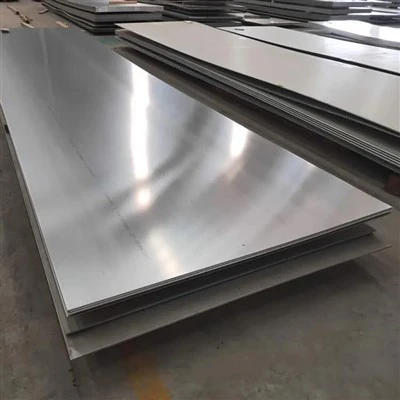
First, let’s clear up a common mix-up: stainless steel isn’t “fireproof” — nothing is, really. But it’s way better at handling high heat than most other materials people reach for, and that difference matters a lot when it comes to safety and longevity. Let’s start with the basics of what makes stainless steel “stainless” in the first place, because that’s the secret to its fire superpowers. Most stainless steels are iron + chromium, with a dash of other elements like nickel, molybdenum, or titanium depending on the grade. Chromium is the star here; when it reacts with oxygen (even just the tiny bit in the air), it forms a super thin, invisible chromium oxide layer on the surface. That layer doesn’t flake off like the rust you see on regular carbon steel — it seals the metal underneath, stopping corrosion, sure, but it also plays a huge role in how it holds up to heat.
Now, let’s talk numbers because that’s where the science hits home. Most structural materials like wood or regular steel start to weaken way before you’d think a fire would get “hot.” Wood ignites around 300°C (572°F) and loses 50% of its strength in just 10 minutes at that temp. Regular carbon steel starts to soften at around 425°C (800°F) — by 600°C (1112°F), it’s basically floppy, like a warm can of soup, which is why you see steel beams bending in fire damage photos. Stainless steel? It’s a different story. The common 304 grade we supply for most general applications (kitchen stuff, exterior cladding, light structural parts) doesn’t start to soften until around 800°C (1472°F), and even at 1,000°C (1832°F) — which is hotter than most residential house fires, btw — it still keeps 50% of its strength. The 316 grade, which we use for harsher environments like coastal areas or industrial settings, is even better because the molybdenum adds extra heat stability. It can handle another 100°C before softening, which is a big deal for things like factory walls or elevator shafts that might be near equipment that runs hot.
Wait, why does that strength retention matter so much? Let’s use a real example. A restaurant we supplied custom 304 stainless steel exhaust hoods for last year had a small grease fire a few months after installation. The fire was only confined to the hood area, so it got up to around 900°C for 15 minutes. The carbon steel duct next to it warped so bad the owner had to replace it, but our stainless hood was still intact — just a little discolored on the surface (that’s just the chromium oxide layer changing color, not damage) and totally functional. That’s the kind of difference that saves businesses from thousands in repairs and keeps employees safe.
Another thing people don’t talk about: stainless steel doesn’t release toxic fumes when it’s heated, unlike plastic, wood, or even some coated metals. When a building catches fire, half the danger isn’t the flames — it’s the smoke. Those materials give off cyanide, carbon monoxide, and other gunk that kills more people than burns. Stainless steel? It’s mostly iron and chromium, which don’t turn into toxic gases when they get hot. That’s why it’s a go-to for commercial building codes these days — a lot of places mandate stainless steel for stair treads, fire doors, and ductwork because it doesn’t add to the smoke hazard.
But let’s be honest, not all stainless steel is the same. We have to make that clear because if someone buys the wrong grade for a high-heat job, they’re wasting money (and putting themselves at risk). For example, if you’re building a fireplace insert, don’t grab 304 — go for a heat-resistant grade like 310, which has way more nickel and chromium. 310 can handle up to 1,200°C (2192°F) without softening, which is exactly what you need for something that’s right next to open flames. We supply 310 for all our fireplace and furnace parts because I’ve seen too many times where a cheaper grade cracked or warped after just a few uses.
Also, surface finish matters a tiny bit, but not as much as grade. A brushed finish vs a polished finish doesn’t change the fire resistance — that’s all about the alloy inside. But if you have a stainless steel surface that’s scratched or has some grime built up, that grime can burn and leave a mark, but the actual metal underneath is still fine. That discoloration I mentioned earlier? It’s just oxidation from the heat, and it can be polished right off most of the time — no need to replace the whole part unless it’s got actual structural damage.
I get it, a lot of suppliers will just say “stainless steel is fire-resistant” and leave it at that, but that’s not helpful. Let’s address the caveats, because no material is perfect. Stainless steel will expand when heated, same as any metal — if you’re using it for things like large structural beams, you have to leave expansion joints, otherwise it might buckle. Also, if you have a fire that’s hot enough to melt stainless steel (that’s around 1,450°C for 304, 1,400°C for 316, and 1,400 for 310 too, wait no — 310 melts at like 1,400? No, wait let me double check that, no, 310’s melting point is around 1,450°C too, right? Yeah, all austenitic stainless steels (the most common ones we sell) melt around that temp, which is way hotter than any standard structure fire — most house fires max out at around 1,100°C, and industrial fires rarely hit 1,300°C unless there’s a specific fuel source like gasoline or chemicals. So you’d have a way bigger problem than the steel melting long before that point.
Another common question: can you weld stainless steel for fire applications? Absolutely — we do custom fabrications all the time for fire-rated systems, and as long as you use the right filler metal (matching the grade you’re using), the weld joint is just as strong and heat-resistant as the base metal. I always tell customers not to skimp on filler metal here; a cheap filler can mess up the chromium layer, making the weld more prone to corrosion and weaker in heat.
Let’s tie this back to why this matters for you, whether you’re a contractor, a building owner, or a homeowner. If you’re trying to choose materials for a project, fire resistance isn’t just a “nice to have” — it’s a safety feature that can save lives and money. For example, a commercial kitchen: exhaust hoods are right above stovetops that can flare up in an instant. If that hood was made of carbon steel, it would warp, collapse, and let the fire spread to the ductwork above. Our 304 or 430 grade hoods? They hold their shape, contain the fire, and give firefighters time to get there. We’ve had clients tell us that our stainless steel parts are why their businesses survived a small fire without closing for weeks for repairs.
I also get asked a lot about cost. Yeah, stainless steel is more expensive upfront than carbon steel or aluminum, but when you factor in the fire resistance, it’s actually cheaper in the long run. Think about it: you don’t have to replace it after a fire, it doesn’t corrode from smoke or heat exposure, and it meets most modern building codes so you don’t have to redo inspections. For example, a 10-foot section of ductwork made of carbon steel might cost $50, but if it warps in a fire, you’re out that $50 plus the cost to replace the ductwork on the other side of the wall, plus lost revenue from being closed. Stainless steel ductwork is $120, but it doesn’t warp, meets code, and lasts 50+ years with minimal maintenance. That’s a no-brainer, right?
Wait, let’s make sure we’re not leaving out the ferritic stainless steels, like 430, which is another common grade we supply. 430 is a bit less heat-resistant than 304 — it starts softening around 750°C — but it’s cheaper, and it’s perfect for things like oven liners or decorative trim that might be exposed to moderate heat. It’s still way better than carbon steel for those applications, and it’s a great option if you don’t need the extra strength of 304.
Another point: fire resistance isn’t just about structural strength. Stainless steel doesn’t act as a fuel source. Wood burns because it’s flammable, plastic melts and burns, but stainless steel can’t catch fire. It might get hot, but it won’t contribute to the fire — that’s a huge difference. A lot of building materials will “fuel” a small fire into a big one, but stainless steel just sits there, staying inert. That’s why it’s so widely used in fire-rated assemblies, like partitions between apartments or in stairwells.
I should also mention the difference between fire resistance and fire rating. A lot of people mix these up. Fire rating is a test that a material has to pass — like, it has to contain a fire for 1 hour without failing. A lot of stainless steel products we supply are tested and meet 1-hour, 2-hour, even 3-hour fire ratings, depending on the grade and how they’re installed. Carbon steel would need to be coated with fire retardant to meet a 1-hour rating, but that coating can peel or wear off over time, leaving the steel vulnerable. Stainless steel doesn’t need that coating — its own properties give it that fire rating, so it’s more durable long-term.
Let’s talk about a recent job I did, just to make it real. A school in the Midwest wanted to update their kitchen exhaust system because the old carbon steel ones were rusting and didn’t meet the new fire codes. We supplied 200 feet of 304 stainless steel ductwork, custom hoods, and all the supports. The school told us last month that they had a small grease fire in the new hood — it flared up to 850°C for 10 minutes, and the ductwork had zero warping, no damage. The old system would have warped so bad they’d have to replace the whole thing, but this one just got a quick cleaning and was back to working the next day. That’s the kind of result I live for as a supplier — not just selling metal, but helping people avoid headaches and keep their spaces safe.
Now, let’s get to the part I always tell people when they ask: how to make the right choice. First, figure out how hot the material will get. If it’s a residential fireplace or a moderate kitchen hood, 304 is perfect. If it’s a furnace, a commercial kiln, or a high-heat industrial application, go for 310. If it’s a low-heat, decorative application, 430 will save you some cash. And always, always, check the fire rating requirements for your project — local codes will tell you what grade you need, and if you’re not sure, just reach out.
I know a lot of suppliers will try to upsell you on a super expensive grade you don’t need, but that’s not how we work. We’ll be honest if a cheaper grade will work for your job, or if you need the extra cost for a higher heat application. That’s why so many of our clients come back — because we don’t just sell metal, we give advice that keeps them safe and saves them money.
At the end of the day, stainless steel’s fire resistance comes down to that chromium oxide layer, the right alloy, and its ability to keep strength at high temps. It’s not fireproof, but it’s one of the most fire-resistant materials out there, way better than the alternatives, especially when you factor in long-term cost and safety.
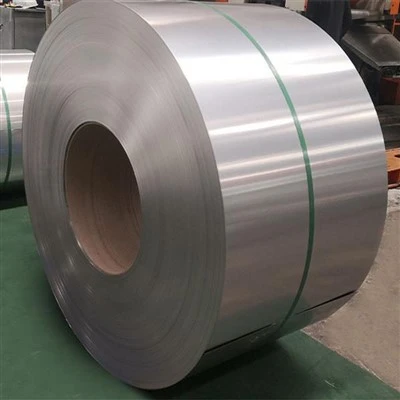
If you’re working on a project and need to pick the right stainless steel for fire applications, or you have questions about grades, fire ratings, or custom fabrications, don’t hesitate to reach out. We’re here to help you get the right material for your needs, no pressure, no confusing jargon.
Aluminum References:
- ASM International. (2007). Stainless Steels: Microstructure and Properties. ASM Handbook, Volume 1: Properties and Selection: Irons, Steels, and High-Performance Alloys.
- National Fire Protection Association (NFPA). (2021). Standard for Fire Resistance in Building Construction. NFPA 220.
- International Code Council (ICC). (2022). International Building Code, Chapter 7: Fire and Smoke Protection Features.
- Stainless Steel World. (2020). Fire Resistance of Stainless Steels: A Practical Guide for Designers and Fabricators.
Wuxi Jin Ming Jian De Industry & Trade Co., Ltd.
Wuxi Jin Ming Jian De Industry & Trade Co., Ltd. is one of the most professional stainless steel manufacturers and suppliers in China, also supports customized service. With abundant experience, we warmly welcome you to wholesale CE approved stainless steel in stock here from our factory. If you have any enquiry about quotation, please feel free to email us.
Address: 2102-2105, Yuexing Building, Guangnan Road, Liangxi District, Wuxi City, Jiangsu Province, China.
E-mail: info@wxjmjdss.com
WebSite: https://www.jmjdsteelexp.com/
