Alright, let’s get real. I talk to people every single day—folks who walk into our body care line, slide into our DMs, or shoot us a quick email asking, “Wait, is this thing actually true about skincare?” Because let’s be honest, the internet’s chock-full of random body care myths, and half the time we’re just spamming ourselves with bad advice that doesn’t do a damn thing for our skin. As a body care supplier, I see this stuff so often I can’t not call it out. Let’s break down the most common myths, no fancy jargon, just the straight talk you actually need. BODY CARE
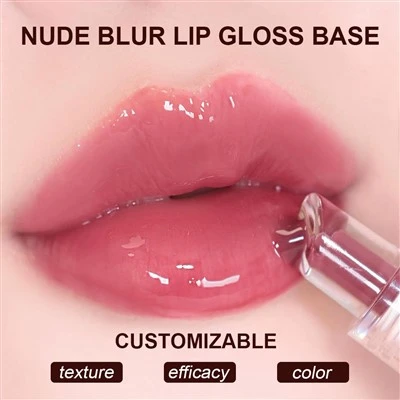
First up: that old gem—“You only need to moisturize if your skin is dry.” Ugh, I hear this nonstop. People with oily skin skipping moisturizer ‘cause they think it’ll cut the grease? Newsflash: that’s exactly why their skin’s overproducing oil in the first place. Your skin is a smart little organ. If you strip away its natural moisture (like skipping lotion or washing with harsh soap), it panics and says, “Hey, we’re dry! Pump out more oil to protect ourselves!” It’s like covering a plant and then yelling at it for wilting. I’ve seen so many customers come in saying their oily skin’s been a nightmare for years, start using a lightweight, oil-free moisturizer, and within two weeks their T-zone’s not shining like a disco ball anymore. Moisturizer isn’t for “dry people”—it’s for everyone. Even your arm that’s perpetually slightly dewy? It still needs a little hydration to stay balanced. That’s why we make most of our moisturizers with light, non-greasy formulas ‘cause we get how annoying heavy lotion feels on oily skin.
Next myth: “Hot showers are good for sore muscles and rough skin.” Yeah, hot water feels amazing on a cold day or when your back’s killing you, but that’s the opposite of what your skin wants. Hot water strips your skin’s lipid barrier—you know, that thin layer that keeps moisture in and irritants out. It’s like pouring boiling water on a sponge; it makes it fall apart. I’ve had people tell me they take 20-minute hot showers every night to relax, and then their skin feels tight and itchy for hours. The fix? Lukewarm water, max 10 minutes. Hot showers might soothe your muscles temporarily, but they’re wrecking your skin long-term. We even had a customer last year who came in with terrible eczema on her legs—she’d been taking super hot showers for years to ease eczema itch. Once she switched to lukewarm, the eczema flairs calmed down so much she didn’t need her steroid cream as often. Worth sacrificing that steamy shower for, right?
Third big one: “You should exfoliate every day for smooth skin.” Exfoliation is great, but daily? That’s how you overdo it. There are two types: physical (scrubs with little beads, brushes) and chemical (AHAs, BHAs like lactic or salicylic acid). Both work, but over-exfoliating irritates the lipid barrier, causes redness, and even makes your skin more sensitive to sun. I see this a lot with people who watch TikTok tutorials saying “exfoliate daily for glass skin” and then end up with a raw, flaky face and body. The sweet spot? 2-3 times a week, max. For physical exfoliants, use gentle ones—no harsh apricot scrubs that tear at your skin. For chemical, start slow—once a week at first, then work your way up. We always tell customers to patch test a new exfoliant too, ‘cause what works for one person might not work for another. Last month, a teen came in using a daily scrub on her back acne, and her back was so red and sore she couldn’t wear a tank top. We put her on our gentle lactic acid exfoliant, 2x a week, and her acne cleared up without the irritation. Game changer.
Myth number four: “Natural ingredients are always better.” Okay, hold up. I love natural stuff as much as the next person, but “natural” doesn’t automatically mean safe or effective. Some natural ingredients are super irritating—think pure tea tree oil, which is great for acne but straight-up burns if you put it undiluted on sensitive skin. And synthetic ingredients? They’re tested, regulated, and often more consistent than natural ones. Like, hyaluronic acid is a synthetic (wait, no—wait, actually, some is natural, but lab-made hyaluronic acid is just as effective, and it’s standardized so you know exactly how much you’re getting. Natural sources can vary a lot. I’ve seen “natural” body oils that cause allergic reactions because they used unrefined nuts that some people are allergic to, while our refined, tested natural oils are safe for most people. Also, “natural” doesn’t mean it’s not harmful—poison ivy is 100% natural, and it’ll ruin your weekend. So don’t fall for the hype. Always check ingredient lists, not just the “natural” label, and talk to a professional if you have sensitive skin.
Fifth myth: “Antiperspirant is bad for your health and causes breast cancer.” Ugh, this one’s been around forever, and it’s totally debunked. The rumor goes that aluminum in antiperspirants blocks pores, traps toxins, and leads to cancer. But the FDA and most dermatologists say there’s no credible evidence linking antiperspirants to breast cancer. The amount of aluminum you absorb is tiny—way less than what’s in like, a can of soda. The “toxins” the rumor talks about? Your liver and kidneys already filter out toxins, so blocking underarm pores doesn’t stop that. I get that some people prefer aluminum-free deodorant, and that’s totally fine, but don’t buy into the scare tactics. Most aluminum-free deodorants don’t work as well for heavy sweaters, anyway—we have a line of aluminum-free deodorants for people who want that, and we get comments all the time saying they still have to reapply midday. Antiperspirants work, they’re safe, and you don’t have to feel guilty using them.
Last but not least, “You don’t need sunscreen on your body if you’re not going to the beach or staying inside.” Wait, how many of you work in an office, commute by car, and think your legs and arms are safe? UVA rays—those are the ones that cause aging and skin cancer—go through windows. They’re also present every single day, even on cloudy days. You get exposed when you walk from your car to the building, when you’re sitting by a window at work, when you run errands. Skipping body sunscreen means you’re leaving parts of your skin unprotected, which leads to sun spots, fine lines, and even skin cancer later. I always tell people, use a broad-spectrum sunscreen (protects against UVA and UVB) with at least SPF 30, every day, on your arms, legs, neck, any skin that’s exposed. Even if you’re wearing clothes—tight clothes can let UV rays through, so a little sunscreen is better than nothing. We make a body sunscreen that’s lightweight, doesn’t leave a white cast, and works under clothes, so it’s easy to add to your daily routine. A lot of customers say they forgot about body sunscreen until they started using ours, and now they can’t go a day without it.
Look, I know body care can feel overwhelming. There’s a million myths out there, and it’s easy to get sucked into the “this will fix everything” hype. But the best body care is simple: moisturize everyone, moisturize daily; don’t take super hot showers; exfoliate moderately; don’t trust every “natural” claim; antiperspirant isn’t evil; and sunscreen is non-negotiable, even on cloudy days.
At our body care brand, we make products that work with your skin, not against it. We test every ingredient, listen to what our customers actually need, and skip the fancy marketing that pushes myths. If you’re tired of bad advice, or you want to try products that cut through the hype, we’d love to chat. Whether you’re a regular customer looking for your next go-to product, or someone interested in partnering with us, reach out. Let’s talk about what your skin actually needs, no fluff, no myths.

Ready to stop wasting money on products that don’t work? Let’s connect.
Face Base References
- American Academy of Dermatology. (2023). "Myths and Facts About Skincare and Body Care."
- U.S. Food and Drug Administration. (2022). "Safety of Antiperspirants and Deodorants."
- National Skin Care Institute. (2021). "Exfoliation Best Practices for Body and Face."
- World Health Organization. (2022). "Solar Ultraviolet Radiation and Health."
Guangzhou Yishengheng Cosmetic Co., Ltd.
Address: Room 1003, 10th Floor, Building B, Suijin Center, No. 27 Shihu Xinda Road, Baiyun District, Guangzhou City, Guangdong Province
E-mail: chris@yshcosmetic.com
WebSite: https://www.yshcosmetic.com/
