Alright, let’s cut to the chase – if you’re a workshop owner, you’ve probably stared at that clunky mop sink you’ve got tucked in a corner (or maybe you’re thinking about installing one for the first time) and wondered, “Wait, can I actually use this thing in my workshop, or is it just for cleaning floors after mopping?” Let’s break this down like I’m chatting with you over a coffee, no stuffy jargon, and no BS. I’m a mop sink supplier, so I’ve heard every take on this question – from guys who use their sinks to dump motor oil (don’t do that) to those who swear by their workshop mop sinks as the unsung hero of keeping their space functional. Mop Sink
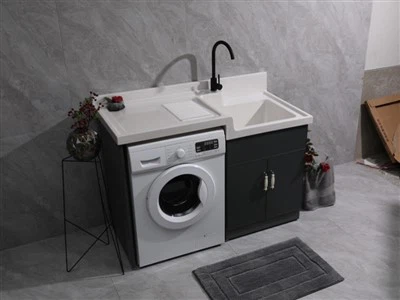
First off, let’s get one thing straight: workshops are messy. Not the “spill a glass of soda” messy – we’re talking metal shavings, oil drips, coolant residues, paint splatters, and let’s be real, the occasional parts that get way too greasy to hold in your bare hands. A regular mop sink? It’s built for mopping floors, so its drain is small, and it’s usually designed to only handle water and mild floor cleaner. So if you try dumping used machining coolant straight into it without a filter, you’re gonna clog that drain faster than I can say “wrench.” But here’s the thing – that doesn’t mean you can’t adapt a mop sink for workshop use. It just means you need to know the limits, because not all mop sinks are created equal (and yes, I’ve got ones that are perfect for workshops, but we’ll get to that).
Let’s start with the practical stuff you actually care about. When I talk to mechanics, woodworkers, or even custom metal fabricators, their main pain points with workshop cleanup are: 1) a place to dump large volumes of liquid without clogging, 2) a spot to wash oversized tools or parts that won’t fit in a regular utility sink, and 3) a way to clean up floor spills before they turn into a slip hazard. A standard residential mop sink is like a toy for this – its basin is shallow, its drain is tiny, and it’s way too small for a 12-inch drill bit or a gallon of used brake fluid. But commercial-grade mop sinks? That’s a different story. I’m talking about the ones with deep basins (20+ gallons, not the 10-gallon ones you see in bathrooms) and heavy-duty drains that can handle larger debris. Those work.
Wait, let’s address the big “but” that everyone brings up: plumbing codes. I’m not a plumber, but I’ve sat through enough calls with them to know this: if your workshop is in a commercial space, you’re gonna need to check local codes before installing any sink that handles non-potable water (meaning anything that’s not just for washing hands with regular water). For residential workshops (like if you have a garage shop at home), it’s less strict, but you still can’t dump anything harmful into the sewer. That means no raw motor oil, no paint thinners, no harsh chemicals that aren’t approved for sewer disposal. But wait – a good mop sink for workshops can come with a removable debris strainer (I mean, that’s basic for my line) that catches metal shavings, small parts, and other gunk before it hits the drain. That’s a game-changer. I had a customer last month who’s a small engine mechanic – he uses his workshop mop sink for washing carburetors, draining oil, and even catching coolant from radiators when he flushes them. He said the strainer means he only has to empty the basin’s gunk once a week, not unclog the drain every two days. That’s exactly the kind of thing we design for, right?
Let’s talk about the size, because that’s something people sleep on. Workshops have big stuff. If you’re washing a set of rusty wrenches, a metal pipe, or even a small engine component, you need a basin that’s not gonna make you hunch over and spill water all over the place. A standard mop sink is mounted low, which is great for mopping, but terrible for lifting heavy parts into. We make workshop-specific mop sinks that have adjustable height legs – so you can crank them up to 36 inches (the same height as a workbench) so you’re not straining your back. Deep basins mean you can fully submerge parts without the water sloshing out, which is a huge win. I remember when I first started in this business, I talked a guy who does custom woodworking – he was using a 5-gallon bucket for all his cleanup, and he’d spill sawdust and glue water all over his shop floor. He swapped to one of our deep, adjustable mop sinks and said he cut his cleanup time by 40%. That’s real.
Now, let’s get to the “can I actually use it for workshop-specific tasks” part. Let’s list the common uses: washing tools, parts, and even hands after a greasy job; draining liquids from engines, radiators, or paint containers; cleaning up floor spills of water, coolant, or light oil; even mixing paint or cleaning solvents (as long as they’re sewer-safe). All of these are totally doable with the right mop sink. The key is the features: heavy-duty construction (stainless steel is non-negotiable – cast iron or plastic will rust or crack from chemicals), a large drain with a strainer, and adjustable legs to fit your space. The mop part? Most workshop folks don’t even use the attached mop hook, because they’re using the sink for other stuff, but that’s a free bonus for when you do need to mop the floor.
Wait, what about downsides? Let’s be honest – no product is perfect. A mop sink is bigger than a utility sink, so you need space to install it. If your workshop is tiny, like a 10×10 garage, it might not work. Also, if you’re dealing with super heavy debris (like large chunks of metal or whole engine blocks), you might need a separate parts washer, not a mop sink. But for 90% of workshop owners, the mop sink hits the sweet spot between size, functionality, and cost. I also had a customer who complained that his first mop sink was too flimsy – he said when he dropped a 5-pound wrench on the basin, it dented. That’s why we build our workshop sinks with 16-gauge stainless steel, not the thin 20-gauge stuff you get at hardware stores. The extra cost is worth it for the durability, trust me.
Let’s also talk about maintenance, because no one wants a sink that’s a hassle to keep clean. Workshop mop sinks are easy – because you’ve got that strainer, you just lift it out, dump the gunk into your trash, and rinse it. The basin is smooth stainless steel, so you can wipe it down with a degreaser and a rag in 30 seconds. No weird corners where gunk gets stuck, unlike some deep utility sinks. I tell all my customers: if you empty the strainer every time you’re done with a messy job, and you don’t dump harsh chemicals, your mop sink will last you 10+ years. That’s better than most workbenches, if you ask me.
Now, let’s get back to the original question: can you use a mop sink in a workshop? The short answer is yes, but only if you get the right kind of mop sink, and you follow a few basic rules. You can’t use a residential bathroom mop sink – that’s a waste of money and it’ll clog. You need a commercial-grade, workshop-specific mop sink with a deep basin, large drain, and heavy-duty construction. You have to check plumbing codes for your area, filter out debris before it hits the drain, and only dispose of sewer-safe liquids. But if you do all that, it’s going to become one of the most useful pieces of equipment in your workshop.
I know, I’m a mop sink supplier, so I’m biased, but hear me out. I’ve been doing this for 12 years, and I’ve talked to thousands of workshop owners. The ones who use their mop sinks right love them – they save time, reduce slip hazards, and make cleaning up way less of a chore. The ones who don’t? They’re still carrying 5-gallon buckets around their shop, spilling liquids, and unclogging tiny drains every week. That’s a no-brainer, right?
Wait, let’s throw in a quick real-life example. Last year, I worked with a guy who runs a small auto repair shop. He had three tiny mop sinks scattered around the shop, all clogged within six months because he was dumping oil and coolant into them. We replaced them with two of our workshop mop sinks – they have a 25-gallon basin, a 4-inch drain with a stainless steel strainer, and adjustable legs that he set at 34 inches. He said he hasn’t had a clog since, he can wash a whole set of brake calipers in the basin, and he even uses it to mix up parts-cleaning solution. He’s since told three other local mechanics to switch, which is the best marketing I can ask for.
So, if you’re on the fence about installing a mop sink in your workshop, don’t overcomplicate it. Figure out how much space you have, what kind of cleanup you do most, and reach out to someone who knows the ins and outs of workshop mop sinks. I’m not gonna hit you with a sales pitch that feels like a robot wrote it – I’ll ask you about your workshop size, what tools you use, what kind of liquids you deal with, and recommend exactly what you need, no upsells.
At the end of the day, your workshop should be a place where you can work, not a place where you’re stressing about spills and clogs. A good mop sink takes that stress away. If you’re ready to stop using flimsy sinks or buckets and get something that actually works for your space, just reach out for a chat about your needs. We can help you pick the right size, make sure it fits your plumbing, and even walk you through installation tips that most suppliers won’t tell you.
Wait, one last thing: I’ve had people ask if a mop sink can double as a hand-washing station. The answer is yes, as long as you connect it to potable water. All our workshop mop sinks come with a hot and cold water faucet option, so you can wash your hands (or your tools) with warm water, which is way better for getting grease off. That’s another bonus you don’t get with a lot of utility sinks.

So, to circle back to the original question: Can I use a mop sink in a workshop? Absolutely – as long as you choose the right one for the job, follow basic plumbing and waste rules, and take care of it. It’s not just for mopping floors anymore. It’s a workhorse that belongs in any workshop that’s serious about being functional and clean.
Laundry Cabinets If you’re ready to upgrade your workshop cleanup setup, get in touch to discuss your specific needs. We can walk through options, answer any questions you have, and make sure you get a mop sink that works for you, not against you.
References
- Occupational Safety and Health Administration. (2021). Workshop Housekeeping Guidelines for Slip, Trip, and Fall Prevention. U.S. Department of Labor.
- Plumbing-Heating-Cooling Contractors Association. (2022). Commercial Fixture Installation Standards for Workshop Sinks. PHCC Educational Foundation.
- Stainless Steel Fabricators Association. (2020). Durability Ratings for Workshop-Grade Stainless Steel Sinks. SSFA Technical Bulletin.
Zhejiang Engery Industry and Trade Co., Ltd.
As one of the leading mop sink manufacturers and suppliers in China, we also support customized service with low price. Please feel free to buy bulk high quality mop sink made in China here from our factory. Contact us for pricelist.
Address: Building 1, Wanshangcheng, No. 8, Jingxing West Road, Hushan Street, Jiangshan City, Quzhou City, Zhejiang Province
E-mail: 15005702323@163.com
WebSite: https://www.balconylaundry.com/
