Hey there, if you’ve ever shopped around for plumbing parts—whether you’re a homeowner doing a bathroom reno or a contractor outfitting a new commercial space—you’ve probably run into PPR pipe fittings. One question I get all the time as a PPR supplier is: “Are these things actually chemical-resistant? I’ve heard mixed stuff, and I don’t want to end up with a leaky mess or broken pipes in a year.” Fair enough—chemical resistance isn’t some random buzzword; it’s make-or-break for a ton of projects, from residential water lines to industrial chemical piping. Let’s break this down like we’re chatting over coffee, no stuffy jargon, just straight answers. PPR pipe fittings
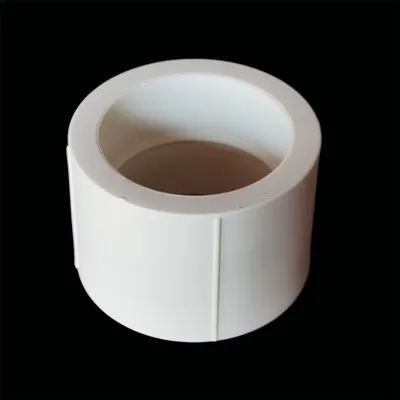
First, let’s get the basics right. PPR stands for Polypropylene Random Copolymer, right? It’s a thermoplastic, which means it melts when heated and hardens when cool—something that makes it super easy to fuse together (way better than gluing old PVC, I swear). Not all plastics are created equal, though. Regular PP is good, but PPR is tweaked with those random propylene segments (hence “random copolymer”) that make it sturdier, more heat-resistant, and way less likely to crack or leach. That’s the foundation of its chemical performance.
So here’s the short answer to the big question: Most PPR pipe fittings are extremely resistant to a wide range of chemicals, but it’s not a “one-size-fits-all” thing. Let’s get into the specifics because that’s what everyone actually cares about.
First, let’s talk about the stuff PPR is great with. For any kind of potable water—drinking water, hot or cold—PPR is a rockstar. I’ve supplied fittings for municipal water lines, apartment complex plumbing, even vacation home water systems, and I’ve never had a complaint about chemical breakdown here. Why? Because PPR is inert to the minerals, chlorine, and other treatment chemicals added to municipal water supplies. Chlorine is a big one—old vinyl pipes can degrade over time with repeated chlorine exposure, but PPR holds up. Even hot water (up to ~140°F, which is standard for residential hot water heaters) doesn’t faze it much, though you have to stick to rated fittings for hot use, obviously.
Then there’s non-potable water and general industrial fluids. If you’re dealing with plain water, mild detergents, common cleaning chemicals, or even diluted acids (like vinegar, or the mild cleaners used in janitorial services), PPR is totally fine. I’ve shipped loads of PPR fittings to small manufacturing plants that use them for coolant lines in machine shops—nothing harsh, just water and anti-corrosive coolants, and they’ve been running for years without issues. Same with irrigation systems; farmers use PPR all the time for drip lines and water transfer, and even if their water has a little bit of fertilizer residue or mild soil acids, it doesn’t touch the PPR.
Now, the stuff you need to watch out for. This is where I see people mess up—they assume PPR can handle everything, but that’s not true. Strong, concentrated chemicals are the enemy here. Let’s be clear: PPR will break down if it comes into contact with concentrated strong acids (like sulfuric acid, nitric acid, the stuff used in industrial metal cleaning) or strong bases (like concentrated sodium hydroxide, which is in some heavy-duty drain cleaners—fun fact: that’s the kind of drain cleaner you shouldn’t pour down a PPR line, by the way). Also, some organic solvents—think gasoline, kerosene, benzene, or even strong paint thinners or acetone—can soften or degrade PPR over time. If your project involves moving those, PPR isn’t your go-to; you’ll need something like HDPE or PVDF instead.
Wait, but here’s a common follow-up I get: “What about diluted versions of those strong chemicals?” Like, if I’m using a 10% solution of sulfuric acid for a small lab setup? I tell them to check the specific concentration and temperature. PPR can handle very dilute, cool versions of some of these, but if it’s hot and concentrated? No way. That’s why it’s always good to have a quick chat with us or a chemical resistance chart—we’ve got a cheat sheet for our fittings that lists exactly what concentrations and temperatures work, so you don’t guess wrong.
Now, why is PPR so resistant to most chemicals, anyway? Let’s keep this simple—thermoplastics like PPR have tight molecular structures. Unlike, say, metal pipes that can corrode (rust, pitting, chemical oxidation) or rubber hoses that can swell or break down, PPR molecules don’t easily react with most chemicals. There’s no ionic bond that gets eaten away, and the molecular chains are dense enough that small chemical molecules can’t seep in and break the structure apart. That’s a huge reason why PPR is used in so many applications where chemical resistance matters.
But wait, let’s talk about quality, because not all PPR fittings are the same. As a supplier, I can tell you this: there’s cheap PPR out there that’s made with low-grade resin, not properly processed, that doesn’t have the same chemical resistance as the good stuff. I’ve had customers come to me after buying discount fittings online, complaining that they cracked or discolored after a few months, and half the time it’s because the resin was cut with inferior materials that don’t have the same chemical inertness. That’s why when we supply PPR, we only use food-grade or industrial-grade PPR resin that’s tested for chemical resistance, so you know you’re getting a product that performs, not cuts corners.
Another thing I get asked: “What about leaching?” Especially for potable water. A lot of people worry that plastics will leach chemicals into drinking water, which is a valid concern. PPR is actually one of the safest plastics for potable use—it meets FDA standards for food contact (in the US) and similar standards in Europe and other regions. I’ve had third-party testing on our fittings that confirm no leaching of harmful chemicals into water, even over years of use. That’s a big one for homeowners and contractors working on residential projects.
Let’s also cover some real-world examples to make this concrete. Last year, I hooked up a small brewery that was expanding their fermentation lines. They needed pipes to carry hot wort (that’s the sugary liquid before fermentation) and mild cleaning solutions between batches. PPR was perfect here—wort is mostly water and sugar, very mild, and the cleaning chemicals they use are diluted alkaline solutions. We supplied hot-rated PPR fittings, and they’ve had zero issues for over a year. Another customer was a car repair shop that used PPR for parts washer lines—they use mild detergent to clean car parts, and that’s exactly what PPR handles great. On the flip side, a customer once asked for PPR for a line moving concentrated battery acid (sulfuric acid) at a auto parts factory—we had to tell them that’s a no-go, and we directed them to the right PVDF fittings that are made for that kind of chemical.
So to wrap up what we’ve covered so far: PPR pipe fittings are highly chemical-resistant for most common applications, including potable water, irrigation, mild detergents, dilute non-concentrated chemicals, and most everyday fluids. But they aren’t resistant to strong concentrated acids, strong bases, or organic solvents like gasoline. Quality matters—cheap, subpar PPR won’t have the same resistance as properly manufactured grade-A PPR. And checking concentrations and temperatures is key, because even chemicals that PPR usually handles can become a problem if they’re hot and super concentrated.
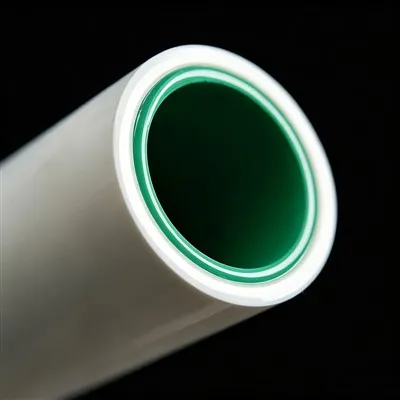
Now, if you’re reading this and wondering if PPR is right for your project—whether you’re a contractor, a home renovator, an industrial plant manager, whatever—don’t guess. A lot of people make the mistake of buying fittings based on price alone, only to run into issues down the line. As someone who’s been supplying PPR for years, I’ve seen the good, the bad, and the ugly with these fittings. I can help you figure out exactly what you need. Shoot me a message, tell me what kind of chemicals or fluids your pipes will be carrying, the temperature, and the application, and I’ll point you to the right PPR fittings (or even suggest an alternative if PPR isn’t the right fit). No pressure, no sales pitch—just straight advice from someone who’s worked with this stuff every day.
PPR Pipe References
- European Committee for Standardization. (2015). Plastics pipes and systems for hot and cold water installations – Polypropylene (PP) – Part 1: General. EN ISO 15874-1.
- American Water Works Association. (2018). Polypropylene (PP) Pipe for Water Service. AWWA M23.
- National Sanitation Foundation. (2020). Standard 60: Drinking Water Treatment Chemicals. NSF International.
- Corrosion Resistance of Thermoplastics. (2022). Plastics Industry Association.
Hebei Ruijie Pipe Industry Co., Ltd.
Address: Industrial Park, Shaozhuang Township, Suning County, Cangzhou City, Hebei Province
E-mail: 1987870474@qq.com
WebSite: https://www.rjpprpipe.com/
