How to select a hospital bedside cabinet based on patient needs?
As a supplier of hospital bedside cabinets, I’ve witnessed firsthand the significant impact these pieces of furniture can have on a patient’s hospital experience. In a healthcare environment, the right bedside cabinet isn’t just a storage unit; it’s a crucial element that can enhance patient comfort, convenience, and overall well – being. In this blog, I’ll share insights on how to select a hospital bedside cabinet according to patient needs. Hospital Bedside Cabinet
Mobility and Accessibility
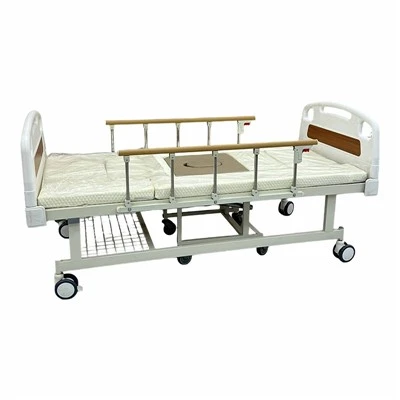
For patients who have limited mobility, especially those who are bed – bound or using wheelchairs, the mobility and accessibility of the bedside cabinet are of utmost importance. A cabinet with smooth – rolling casters allows it to be easily moved around the bedside. This is useful when patients need to adjust the position of the cabinet for better access to their personal items or for medical staff to perform procedures.
Height is another key factor. The cabinet should be at a height that is convenient for patients to reach without excessive stretching or straining. A cabinet top that is around 30 – 36 inches above the floor is generally considered a good height for patients sitting or lying in bed. Drawers and shelves should also be easy to open and close, with handles or knobs that can be easily grasped, even by patients with weak grip strength.
Storage Capacity
Patients in the hospital often have a variety of personal items, such as clothing, toiletries, medications, and reading materials. Therefore, the bedside cabinet should have sufficient storage space to accommodate these items.
A combination of drawers and shelves is ideal. Drawers can be used to store smaller, more private items like medications or personal grooming products. They can be segmented to keep different items organized. Shelves, on the other hand, are great for larger items such as books, magazines, or folded clothes. Open – front shelves allow patients to quickly spot what they need, while closed cabinets can be used for storing bulkier or less frequently used items.
In addition, some patients may require special storage for medical equipment. For example, patients with diabetes may need a place to store their glucometers and insulin, and those using oxygen therapy may need space for oxygen tanks or related accessories. When selecting a bedside cabinet, make sure there is enough space and appropriate compartments for these medical needs.
Durability and Hygiene
Hospital environments are demanding, with a high volume of traffic and frequent cleaning. The bedside cabinet needs to be durable enough to withstand daily use. It should be made of high – quality materials that can resist scratches, dents, and normal wear and tear.
Stainless steel and high – density plastic are popular choices for hospital bedside cabinets. Stainless steel is not only strong but also has excellent resistance to corrosion and can be easily cleaned. High – density plastic is lightweight, affordable, and also easy to maintain.
Hygiene is a top priority in a hospital setting. The cabinet’s surface should be smooth and non – porous, so it can be easily wiped down with disinfectants. Sealed joints and edges prevent the accumulation of dirt and bacteria, reducing the risk of cross – contamination.
Comfort and Aesthetics
Although often overlooked, the comfort and aesthetics of the bedside cabinet can also affect the patient experience. A cabinet with a soft – edged design is less likely to cause injuries to the patient. Rounded corners and smooth surfaces are safer, especially for patients who may accidentally bump into the cabinet.
In terms of aesthetics, a well – designed bedside cabinet can contribute to a more pleasant and homely atmosphere in the patient’s room. The color and style of the cabinet should blend in with the overall hospital decor. A cabinet that looks inviting and home – like can help reduce the patient’s stress and make them feel more at ease during their hospital stay.
Safety Features
Safety is a crucial consideration when selecting a bedside cabinet. Drawers should be equipped with safety stops to prevent them from fully extending and accidentally falling out, which could pose a risk to the patient. Additionally, if the cabinet has locking mechanisms, it can be used to secure important or potentially dangerous items, such as medications or sharp medical instruments.
Electrical outlets are becoming increasingly common in bedside cabinets to allow patients to charge their electronic devices such as smartphones, tablets, or medical monitors. However, these outlets need to be installed in a safe manner, with proper grounding and protection against electrical hazards.
Specific Patient Groups
It’s also important to consider the specific needs of different patient groups. For pediatric patients, bedside cabinets can be designed with more colorful and kid – friendly elements. They may have lower shelves and drawers that are easier for children to reach, and fun storage compartments like toy boxes.
For elderly patients, cabinets with larger, easy – to – read labels on drawers and shelves can be very helpful. Non – slip feet on the cabinet can also provide added stability, reducing the risk of the cabinet tipping over if an elderly patient accidentally leans on it.
In conclusion, selecting a hospital bedside cabinet based on patient needs requires a comprehensive consideration of various factors such as mobility, storage capacity, durability, hygiene, comfort, and safety. As a hospital bedside cabinet supplier, I understand the importance of these aspects and am committed to providing products that meet the diverse needs of patients.
Hospital Examination Room If you are in charge of purchasing hospital equipment and are interested in our high – quality hospital bedside cabinets, I encourage you to reach out to discuss your specific requirements. We can provide customized solutions that are tailored to your patients’ needs and your hospital’s budget. We look forward to having a productive conversation with you about how our bedside cabinets can enhance the patient experience in your medical facility.
References
- Agency for Healthcare Research and Quality (AHRQ). (202X). Designing Patient – Centered Care Environments.
- Hospital Furniture Manufacturer’s Association (HFMA). (202X). Standards for Hospital Furniture.
- World Health Organization (WHO). (202X). Guidelines for Infection Prevention and Control in Health Care Facilities.
Eusokon Technology ( Shanghai ) Co., Ltd.
As one of the most professional hospital bedside cabinet manufacturers and suppliers in China, we offer a wide range of products with superior quality. Please feel free to wholesale advanced hospital bedside cabinet in stock here from our factory.
Address: No.2 building lane 89,Huguang east road Minhang area Shanghai China
E-mail: dorisyang@eusokon.com
WebSite: https://www.eusokon.com/
