As a supplier of thermal monoculars, I’ve encountered numerous inquiries about the thermal sensitivity of these remarkable devices. Thermal monoculars are essential tools in various fields, from wildlife observation and security surveillance to search and rescue operations. Understanding their thermal sensitivity is crucial for both professionals and enthusiasts looking to make informed purchasing decisions. Thermal Monoculars

Defining Thermal Sensitivity
Thermal sensitivity, often referred to as Noise Equivalent Temperature Difference (NETD), is a fundamental parameter that quantifies a thermal monocular’s ability to detect small temperature differences. In technical terms, NETD represents the minimum temperature difference that a thermal imaging system can distinguish from the background noise. A lower NETD value indicates a higher thermal sensitivity, meaning the device can detect even the subtlest temperature variations.
To put it into perspective, imagine you’re using a thermal monocular to observe a nocturnal scene. The ability to detect a small, warm-blooded animal hiding in the underbrush depends on the device’s thermal sensitivity. A thermal monocular with high sensitivity can pick up the faint heat signature of the animal, making it visible against the cooler background.
Importance of Thermal Sensitivity
The thermal sensitivity of a thermal monocular has a direct impact on its performance in real-world applications. Here’s why it matters:
1. Detection Range
A thermal monocular with high thermal sensitivity can detect heat sources at greater distances. This is particularly important in scenarios such as wildlife monitoring, where you may need to spot animals from afar, or in security applications, where early detection of intruders is crucial.
2. Image Clarity
Higher thermal sensitivity results in clearer and more detailed thermal images. Small temperature differences are more easily distinguishable, allowing for better identification of objects and features. This is especially beneficial in low-contrast environments or when trying to resolve fine details.
3. Versatility
Thermal monoculars with good thermal sensitivity can be used in a wider range of environmental conditions. They are more effective in detecting heat sources in cold weather, where the temperature differences between objects and the background may be smaller.
Factors Affecting Thermal Sensitivity
Several factors influence the thermal sensitivity of a thermal monocular. Understanding these factors can help you choose a device that meets your specific needs.
1. Detector Technology
The type of detector used in a thermal monocular is a major determinant of its thermal sensitivity. There are two main types of detectors: cooled and uncooled.
- Cooled Detectors: These detectors operate at very low temperatures, typically using cryogenic cooling systems. Cooled detectors offer extremely high thermal sensitivity, with NETD values as low as 20 mK (millikelvin). However, they are also more expensive, larger, and more power-hungry than uncooled detectors.
- Uncooled Detectors: Uncooled detectors are more common in consumer and mid-range thermal monoculars. They operate at room temperature and are generally more affordable, compact, and energy-efficient. While their thermal sensitivity is lower than that of cooled detectors, modern uncooled detectors can still achieve NETD values in the range of 50 – 100 mK, which is sufficient for many applications.
2. Detector Resolution
The resolution of the detector also plays a role in thermal sensitivity. A higher resolution detector has more pixels, which can capture more detailed thermal information. This can improve the overall image quality and increase the ability to detect small temperature differences.
3. Optics
The quality of the optics in a thermal monocular can affect its thermal sensitivity. High-quality lenses with low optical distortion and good light transmission can help to focus the infrared radiation onto the detector more efficiently, resulting in better image quality and higher thermal sensitivity.
Measuring Thermal Sensitivity
Measuring the thermal sensitivity of a thermal monocular requires specialized equipment and techniques. The most common method is to use a blackbody, which is a calibrated source of infrared radiation. The thermal monocular is pointed at the blackbody, and the output signal is measured for different temperature differences between the blackbody and the background.
The NETD is then calculated by dividing the noise voltage of the output signal by the responsivity of the detector. This calculation gives an indication of the minimum temperature difference that the thermal monocular can detect.
Applications of Thermal Monoculars with High Sensitivity
Thermal monoculars with high thermal sensitivity are used in a variety of applications, including:
1. Wildlife Observation
Wildlife enthusiasts use thermal monoculars to observe animals at night or in low-light conditions. High thermal sensitivity allows them to detect the heat signatures of animals from a distance, even in dense vegetation or in the presence of other heat sources.
2. Security and Surveillance
Security personnel rely on thermal monoculars to monitor large areas and detect intruders. The ability to detect small temperature differences is crucial for identifying potential threats, even in pitch-dark environments.
3. Search and Rescue
In search and rescue operations, thermal monoculars can be used to locate missing persons. High thermal sensitivity helps to detect the body heat of survivors, even in challenging terrain or adverse weather conditions.
4. Industrial Inspection
Thermal monoculars are also used in industrial settings for equipment inspection and maintenance. They can detect overheating components, electrical faults, and other potential issues by identifying abnormal temperature patterns.
Choosing the Right Thermal Monocular Based on Thermal Sensitivity
When choosing a thermal monocular, it’s important to consider your specific needs and budget. Here are some tips to help you make the right decision:
1. Determine Your Application
Consider the primary use of the thermal monocular. If you need it for long-range detection or high-precision applications, such as military or scientific research, a cooled detector with high thermal sensitivity may be required. If you’re a casual user or need it for general wildlife observation or security purposes, an uncooled detector with decent thermal sensitivity should suffice.
2. Evaluate the NETD Value
Look for the NETD value specified in the product specifications. A lower NETD value indicates higher thermal sensitivity. However, keep in mind that other factors, such as detector resolution and optics, also affect the overall performance of the thermal monocular.
3. Consider Your Budget
Cooled detectors are generally more expensive than uncooled detectors. Set a budget and look for a thermal monocular that offers the best combination of thermal sensitivity and other features within your price range.
Conclusion
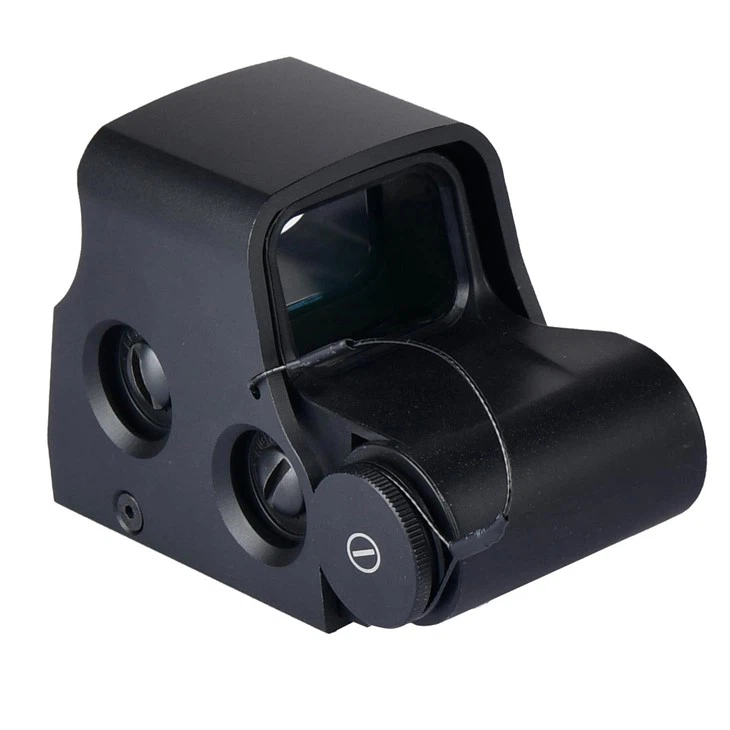
Thermal sensitivity is a critical factor in the performance of thermal monoculars. It determines the device’s ability to detect small temperature differences, which is essential for a wide range of applications. By understanding the concept of thermal sensitivity, the factors that affect it, and how to measure it, you can make an informed decision when choosing a thermal monocular that meets your specific needs.
Thermal Goggles If you’re in the market for a high-quality thermal monocular, you can reach out to discuss your requirements. We offer a wide range of thermal monoculars with varying levels of thermal sensitivity to suit different applications and budgets. Contact us to start a conversation about how our products can benefit you.
References
- "Thermal Imaging Handbook" – Third Edition, by Paul Rea
- "Infrared Thermal Imaging: Fundamentals, Research and Applications" by Mahmood Nahvi and Farzin Amiri
- Technical specifications provided by thermal monocular manufacturers
Shenzhen Detyl Optoelectronics Co., Ltd.
With abundant experience, we are one of the most professional thermal monoculars manufacturers and suppliers in China. Please rest assured to buy customized thermal monoculars at competitive price from our factory. For pricelist and quotation, contact us now.
Address: 4th Floor, Building 3, Factory, No. 20, Second Industrial Avenue, Tangxiayong Community, Yanluo Street, Bao’an District, Shenzhen
E-mail: sales@detyl.com
WebSite: https://www.detyl.net/
