Nonionic polyacrylamide (NPAM) is a type of water – soluble polymer that has gained significant attention in various industries, especially in the field of water treatment and sedimentation processes. As a dedicated supplier of nonionic polyacrylamide, I’ve had the privilege of witnessing firsthand how this remarkable product impacts sedimentation. In this blog post, I will delve into the ways nonionic polyacrylamide affects the sedimentation process, based on both scientific knowledge and practical experience in the industry. Nonionic Polyacrylamide
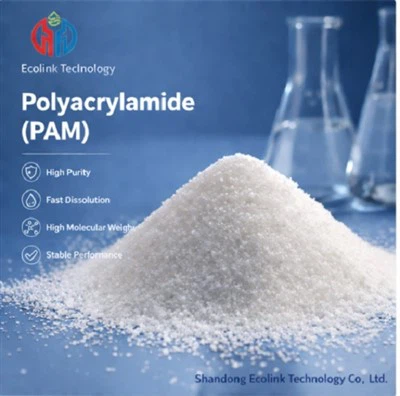
Understanding the Sedimentation Process
Before exploring how nonionic polyacrylamide affects sedimentation, it’s crucial to have a clear understanding of what sedimentation is. Sedimentation is a physical process in which suspended particles in a liquid medium settle down to the bottom under the influence of gravity. This process is widely used in water treatment plants to separate solid particles from water, in mining to recover valuable minerals, and in many other industrial applications.
During sedimentation, the rate at which particles settle is determined by several factors, including the particle size, shape, density, and the viscosity of the liquid. Smaller particles with low density tend to settle more slowly, while larger and denser particles settle faster. However, in many real – world scenarios, the particles in suspension are often very fine and can remain dispersed in the liquid for an extended period, making the sedimentation process inefficient.
The Role of Nonionic Polyacrylamide in Sedimentation
Nonionic polyacrylamide plays a crucial role in enhancing the sedimentation process. Its effectiveness is primarily due to its unique chemical and physical properties.
Flocculation
One of the key ways nonionic polyacrylamide affects sedimentation is through flocculation. Flocculation is the process of aggregating fine particles into larger clusters, known as flocs. Nonionic polyacrylamide has long – chain polymer molecules that can adsorb onto the surface of suspended particles. When these polymer chains adsorb onto multiple particles, they bridge the particles together, forming larger and heavier flocs.
The flocculation mechanism of nonionic polyacrylamide can be explained by the concept of polymer – particle interactions. The non – ionic nature of NPAM means that it does not carry a significant electrical charge. Instead, it relies on other forces such as van der Waals forces and hydrogen bonding to interact with the particles. This allows it to be effective in a wide range of pH conditions, unlike some ionic flocculants that may be sensitive to pH changes.
Once the flocs are formed, they settle more rapidly under the influence of gravity compared to individual fine particles. This significantly shortens the sedimentation time and improves the overall efficiency of the sedimentation process. For example, in a water treatment plant, the use of nonionic polyacrylamide can reduce the time required for sedimentation from hours to just minutes, allowing for a more continuous and efficient water treatment operation.
Increasing Particle Density
In addition to flocculation, nonionic polyacrylamide can also increase the apparent density of the particles in suspension. When the polymer chains adsorb onto the particle surface, they add some mass to the particles. Moreover, the formation of flocs traps some of the liquid within the floc structure, effectively increasing the overall density of the floc – particle complex.
As the density of the particles increases, the gravitational force acting on them becomes stronger, resulting in a higher settling velocity. This is particularly important in applications where the sedimentation rate is a critical factor, such as in high – volume water treatment facilities or in mining operations where large amounts of slurry need to be processed quickly.
Reducing Liquid Viscosity
Another interesting aspect of nonionic polyacrylamide’s impact on sedimentation is its ability to reduce the viscosity of the liquid medium in some cases. Although polyacrylamide is a polymer and generally increases the viscosity of a solution when dissolved, in the context of sedimentation, its interaction with particles can lead to a net reduction in the effective viscosity of the suspension.
The formation of flocs reduces the number of individual particles in the liquid, which in turn reduces the internal friction between the particles and the liquid. This reduction in viscosity allows the flocs to move more freely through the liquid, facilitating the sedimentation process.
Factors Affecting the Performance of Nonionic Polyacrylamide in Sedimentation
The effectiveness of nonionic polyacrylamide in the sedimentation process is influenced by several factors. Understanding these factors is essential for optimizing the use of NPAM in different applications.
Polymer Molecular Weight
The molecular weight of nonionic polyacrylamide plays a crucial role in its flocculation ability. Generally, higher – molecular – weight polymers have longer chains and can form larger flocs. However, very high – molecular – weight polymers may also increase the viscosity of the solution too much, which can have a negative impact on sedimentation. Therefore, choosing the appropriate molecular weight of nonionic polyacrylamide is a balance between achieving good flocculation and maintaining a reasonable solution viscosity.
Dosage
The dosage of nonionic polyacrylamide is another critical factor. Insufficient dosage may not result in effective flocculation, while excessive dosage can lead to over – flocculation, where the flocs become too large and fragile. This can cause the flocs to break apart during sedimentation, reducing the sedimentation efficiency. Determining the optimal dosage typically requires laboratory testing and on – site trials to account for the specific characteristics of the suspension, such as particle concentration, size distribution, and composition.
pH and Temperature
As mentioned earlier, nonionic polyacrylamide is relatively less sensitive to pH compared to ionic flocculants. However, extreme pH conditions can still affect its performance. At very low or very high pH values, the polymer – particle interactions may be disrupted, leading to reduced flocculation efficiency. Similarly, temperature can also influence the performance of nonionic polyacrylamide. Higher temperatures can increase the solubility of the polymer and enhance the reaction kinetics, but extremely high temperatures may cause the polymer to degrade.
Practical Applications of Nonionic Polyacrylamide in Sedimentation
Nonionic polyacrylamide is widely used in various industries for sedimentation processes.
Water Treatment
In water treatment plants, nonionic polyacrylamide is used to clarify municipal and industrial wastewater. By promoting the sedimentation of suspended solids, it helps to remove contaminants such as silt, clay, organic matter, and heavy metals. This not only improves the quality of the treated water but also reduces the load on subsequent treatment processes, such as filtration and disinfection.
Mining
In the mining industry, nonionic polyacrylamide is used in the sedimentation of tailings. Tailings are the waste materials generated during the extraction of minerals. Proper sedimentation of tailings is essential for environmental protection and the recovery of water. Nonionic polyacrylamide helps to separate the solid particles from the slurry, allowing for the efficient reuse of water and the safe disposal of the solid waste.
Paper Making
In the paper – making industry, nonionic polyacrylamide is used in the sedimentation of pulp and paper mill effluents. It helps to remove suspended fibers, fillers, and other impurities from the wastewater, reducing the environmental impact of the paper – making process and improving the efficiency of the water treatment system.
Why Choose Our Nonionic Polyacrylamide
As a supplier of nonionic polyacrylamide, we take pride in offering high – quality products that are carefully formulated to meet the specific needs of different industries. Our NPAM products are produced using advanced manufacturing processes, ensuring consistent quality and performance.

We have a team of experienced technical experts who can provide professional advice on the selection, dosage, and application of nonionic polyacrylamide for sedimentation processes. Whether you are in the water treatment, mining, or paper – making industry, we can work with you to develop customized solutions that optimize your sedimentation efficiency.
Polyacrylamide If you are looking for a reliable nonionic polyacrylamide supplier to improve your sedimentation processes, we invite you to contact us. We are ready to discuss your specific requirements and provide you with a comprehensive solution. Engage in a dialogue with us to explore how our products can enhance your operations and achieve greater efficiency.
References
- Gregory, J., & Chaker, A. (1996). Organic polymers in water treatment. In Developments in water science (Vol. 38). Elsevier.
- Dabbs, J. T. (2000). Handbook of water and wastewater treatment plant operations. CRC Press.
- Environment Protection Agency. (2018). Wastewater Technology Fact Sheet: Polymer – Enhanced Sedimentation.
Shandong Ecolink Technology Co., Ltd.
Shandong Ecolink Technology Co., Ltd. is one of the most reliable nonionic polyacrylamide manufacturers and suppliers in China. We warmly welcome you to wholesale bulk high quality nonionic polyacrylamide from our factory. If you have any enquiry about cooperation, please feel free to email us.
Address: No. 8, Xiaying Chemical Industry Park, Aobu Road, Xiaying Town, Changyi City, Weifang City, Shandong Province,China
E-mail: sale02@ecolink-environment.com
WebSite: https://www.ecolink-environment.com/
