The UV resistance of rooftop artificial turf is a crucial characteristic that significantly impacts its performance, durability, and aesthetic appeal over time. As a rooftop artificial turf supplier, I’ve witnessed firsthand how understanding and optimally leveraging this property can transform the way we approach rooftop landscaping. Rooftop Artificial Turf

Understanding UV Resistance
To fully grasp the importance of UV resistance in rooftop artificial turf, it’s essential to first understand what UV radiation is and how it affects materials. Ultraviolet (UV) radiation is a form of electromagnetic radiation emitted by the sun. It is divided into three categories based on wavelength: UVA (320 – 400 nm), UVB (280 – 320 nm), and UVC (100 – 280 nm). Fortunately, the Earth’s ozone layer absorbs most UVC and a significant portion of UVB, but UVA still reaches the surface in large quantities.
When artificial turf is exposed to UV radiation, it can cause a series of detrimental effects. The most obvious is color fading. Over time, the vibrant greens and other colors that make artificial turf so appealing can become dull and washed – out. This not only affects the turf’s visual appeal but can also give the impression of an old and neglected rooftop space.
In addition to color fading, UV radiation can also cause physical degradation of the turf fibers. The high – energy UV rays can break down the chemical bonds in the polymer materials used to make the turf. This leads to a loss of strength and flexibility in the fibers, making them more prone to breakage, fraying, and overall wear and tear. As a result, the turf may become thinner, patchy, and less resilient, reducing its lifespan and functionality.
Factors Affecting UV Resistance in Rooftop Artificial Turf
Several factors influence the UV resistance of rooftop artificial turf. The first is the type of polymer used in the manufacturing process. Polyethylene and polypropylene are the two most common polymers for artificial turf. Polyethylene generally offers better UV resistance and a softer feel, making it a popular choice for rooftop applications where comfort and appearance are important. Polypropylene, on the other hand, is more economical but may not be as resistant to UV radiation over the long term.
The manufacturing process also plays a significant role. Turf that is manufactured with advanced techniques, such as UV – stabilized additives, can have much better UV resistance. These additives are incorporated into the polymer during production and act as a shield against UV radiation. They absorb and dissipate the UV energy, preventing it from directly damaging the turf fibers.
The quality of the manufacturing process itself is also crucial. Turf that is well – made with consistent fiber thickness and density is more likely to have better overall performance, including UV resistance. Inconsistencies in the manufacturing can create weak spots in the turf, making it more vulnerable to UV damage.
Measuring UV Resistance
There are standardized tests to measure the UV resistance of artificial turf. One common method is the accelerated weathering test. In this test, samples of artificial turf are exposed to high – intensity UV light in a controlled environment for a set period. The light intensity and exposure time are calibrated to simulate years of outdoor exposure in a relatively short period.
After the test, the samples are evaluated for color change, fiber strength, and other physical properties. The results are then compared to industry standards to determine the turf’s UV resistance rating. A higher rating indicates better resistance to UV radiation and a longer expected lifespan.
Another way to assess UV resistance is through real – world monitoring. By installing test patches of different types of artificial turf on rooftops and observing their performance over time, we can gather valuable data on how well they withstand actual UV exposure. This real – world data can be more accurate than laboratory – based tests as it takes into account other environmental factors such as temperature, humidity, and precipitation.
Benefits of High – Quality UV – Resistant Rooftop Artificial Turf
Investing in high – quality UV – resistant rooftop artificial turf offers numerous benefits. Firstly, it ensures long – term aesthetic appeal. The vibrant colors of the turf will remain intact for many years, enhancing the overall look of the rooftop. Whether it’s for a residential rooftop garden or a commercial rooftop terrace, a well – maintained, colorful turf can create a beautiful and inviting space.
Secondly, high UV resistance means better durability. The turf will be able to withstand the harsh rooftop environment, including intense sunlight, wind, and temperature variations, without significant degradation. This reduces the need for frequent replacements, saving both time and money in the long run.
In addition, UV – resistant turf can contribute to energy efficiency. Rooftop artificial turf can act as an insulating layer, reducing heat transfer between the roof and the interior of the building. By keeping the rooftop cooler, it can help lower the energy consumption of air – conditioning systems, leading to cost savings and a more sustainable building.
Our Approach as a Rooftop Artificial Turf Supplier
As a rooftop artificial turf supplier, we are committed to providing our customers with the highest – quality UV – resistant products. We carefully select the polymers and additives used in our turf manufacturing to ensure optimal UV protection. Our manufacturing processes are state – of – the – art, with strict quality control measures in place to guarantee consistent and reliable performance.
We also offer a range of customization options to meet the specific needs of our customers. Whether it’s a specific color, pile height, or density, we can work with our clients to create the perfect rooftop artificial turf solution for their project.
In addition to providing high – quality products, we also offer comprehensive after – sales support. Our team of experts can provide advice on installation, maintenance, and care to ensure that the turf performs at its best for as long as possible.
Conclusion
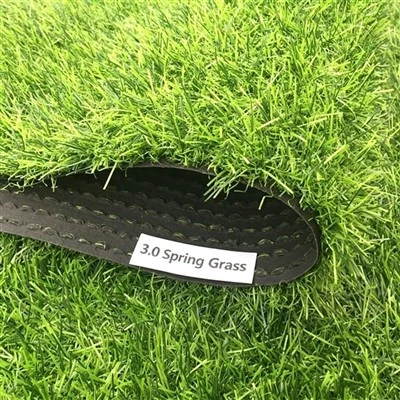
The UV resistance of rooftop artificial turf is a critical factor that should not be overlooked. It directly impacts the turf’s appearance, durability, and functionality, as well as the overall cost – effectiveness of the rooftop landscaping project. As a rooftop artificial turf supplier, we are dedicated to providing our customers with the best – in – class UV – resistant products and services.
Rooftop Artificial Turf If you are considering a rooftop landscaping project and are interested in high – quality, UV – resistant artificial turf, we invite you to reach out to us. Our team of experts is ready to discuss your needs, provide detailed information, and guide you through the entire process from selection to installation.
References
- ASTM International. Standard test methods for artificial turf. ASTM D7481 – 09(2019)e1.
- Liu, J., & Wang, Y. (2021). The degradation characteristics and mechanism of artificial turf fibers under UV irradiation. Polymer Degradation and Stability, 189, 109593.
- Zhang, S., & Chen, X. (2020). Research on the UV – resistant performance improvement of artificial turf. Journal of Synthetic Materials Science and Engineering, 36(2), 13 – 18.
Yiwu Duofu Artificial Flower Co., Ltd.
As one of the most professional rooftop artificial turf manufacturers and suppliers in China, our products have good reputation in the market. Please feel free to wholesale bulk custom made rooftop artificial turf from our factory. Good service and quality products are available.
Address: Building B, No. 566 Chunhua Road
E-mail: 13373813738@aliyun.com
WebSite: https://www.chinaturffactory.com/
