As a supplier of Warehouse Equipments, I’ve encountered numerous inquiries about the proper storage requirements for these tools when they’re not in use. It’s a crucial topic because the way we store our warehouse equipment can significantly impact its lifespan, performance, and safety. In this blog, I’ll share valuable insights into the essential storage requirements to ensure your warehouse equipment remains in top-notch condition. WarehouseEquipments
Understanding the Importance of Proper Storage
Warehouse equipment, such as forklifts, pallet jacks, shelving units, and conveyor belts, represents a substantial investment for any business. These tools are designed to enhance efficiency, productivity, and safety in the warehouse environment. However, improper storage can lead to a variety of issues, including corrosion, mechanical damage, and reduced functionality. By implementing the right storage practices, you can protect your investment, minimize downtime, and ensure the longevity of your equipment.
Environmental Considerations
One of the most critical factors in storing warehouse equipment is the environment. The storage area should be clean, dry, and well-ventilated to prevent the growth of mold, mildew, and rust. A humid environment can cause metal components to corrode, which can weaken the structure of the equipment and lead to potential safety hazards. Additionally, exposure to dust and debris can clog moving parts and affect the performance of the equipment.
To maintain a suitable environment, consider using dehumidifiers and air purifiers in the storage area. These devices can help control humidity levels and remove airborne particles, ensuring a clean and dry environment for your equipment. It’s also important to keep the storage area free of clutter and debris to prevent damage to the equipment during storage.
Temperature Control
Temperature fluctuations can also have a significant impact on the performance and lifespan of warehouse equipment. Extreme heat or cold can cause materials to expand or contract, leading to mechanical stress and potential damage. For example, rubber components can become brittle in cold temperatures, while plastic parts can warp in high temperatures.
To prevent temperature-related damage, it’s essential to store your equipment in a climate-controlled environment. This can be achieved by using insulation, heating, and cooling systems in the storage area. Maintaining a consistent temperature range between 50°F and 80°F (10°C and 27°C) can help ensure the optimal performance and longevity of your equipment.
Protection from Physical Damage
Warehouse equipment is often heavy and bulky, making it susceptible to physical damage during storage. To prevent dents, scratches, and other forms of damage, it’s important to store the equipment in a safe and secure location. This can involve using protective covers, padding, and racks to keep the equipment off the ground and prevent it from coming into contact with other objects.
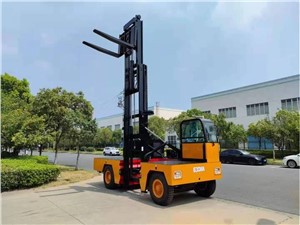
When storing forklifts and other large equipment, it’s recommended to park them on a flat and level surface to prevent them from tipping over. Additionally, you should engage the parking brake and lower the forks or other lifting devices to the ground to reduce the risk of damage.
Maintenance and Inspection
Proper storage also involves regular maintenance and inspection of the equipment. Before storing the equipment, it’s important to clean it thoroughly to remove any dirt, grease, or debris. This can help prevent corrosion and other forms of damage during storage. You should also lubricate moving parts and check for any signs of wear or damage.
During the storage period, it’s recommended to inspect the equipment regularly to ensure it remains in good condition. This can involve checking for leaks, loose bolts, and other potential issues. If any problems are detected, they should be addressed immediately to prevent further damage.
Storage of Batteries and Fuel
If your warehouse equipment uses batteries or fuel, it’s important to store them properly to prevent safety hazards. Batteries should be stored in a cool, dry place and kept fully charged to prevent sulfation. It’s also important to follow the manufacturer’s instructions for storing and handling batteries to ensure their safe use.
Fuel should be stored in approved containers and kept away from sources of heat and ignition. It’s important to follow local regulations and safety guidelines when storing fuel to prevent the risk of fire and explosion.
Organization and Labeling
Proper organization and labeling of the storage area can help improve efficiency and reduce the risk of damage to the equipment. By creating a logical layout and clearly labeling each storage location, you can easily locate and access the equipment when needed. This can help save time and reduce the risk of damage caused by searching for equipment in a cluttered storage area.
Training and Education
Finally, it’s important to provide training and education to warehouse employees on the proper storage requirements for warehouse equipment. By ensuring that employees understand the importance of proper storage and how to store the equipment correctly, you can reduce the risk of damage and ensure the safety of everyone in the warehouse.
Conclusion

In conclusion, proper storage of warehouse equipment is essential to protect your investment, minimize downtime, and ensure the longevity of your equipment. By considering environmental factors, temperature control, protection from physical damage, maintenance and inspection, storage of batteries and fuel, organization and labeling, and training and education, you can implement the right storage practices for your warehouse equipment.
Diesel Heavy Duty Forklift If you’re in the market for high-quality warehouse equipment or need advice on proper storage requirements, I encourage you to reach out to us. Our team of experts is dedicated to providing you with the best products and services to meet your needs. Let’s start a conversation about how we can help you optimize your warehouse operations.
References
- Warehouse Equipment Maintenance Guide, Manufacturer’s Manuals
- Occupational Safety and Health Administration (OSHA) Standards for Warehouse Equipment Storage
- Industry Best Practices for Warehouse Equipment Management
Fujian SOCMA Machinery Manufacture Co., Ltd.
Fujian SOCMA Machinery Manufacture Co., Ltd. is one of the most professional warehouseequipments manufacturers and suppliers in China. We warmly welcome you to buy customized warehouseequipments made in China here from our factory. If you have any enquiry about cooperation, please feel free to email us.
Address: Taiwanese Investment Area, Quanzhou, Fujian, China
E-mail: marketing@socmamarketing.com
WebSite: https://www.socma-forklift.com/
