If you’ve ever driven past a mining site, you know there’s a lot more going on than just digging rocks out of the ground. Every ton of ore, every load of waste material, gets moved around—and that’s where weighbridges come in. I’ve been supplying weighbridges to mines for over a decade now, and let me tell you, they’re way more than just big scales sitting on the ground. Mines rely on them for everything from tracking production to making sure trucks aren’t overloaded (which is a safety nightmare and a ticket waiting to happen). But here’s the thing: using a weighbridge in mining isn’t as straightforward as it sounds. I’ve seen more than a few mines run into issues that make even a simple scale turn into a total headache. Weighbridge

First off, mining sites are brutal environments. Let’s start with dust. If you’ve ever been around a mine, you know that silica, coal dust, rock particles—they’re everywhere. Even if you seal a weighbridge pretty tight, that stuff finds its way into the gaps. Over time, it builds up under the load cells, on the platform’s edges, and in the wiring. A friend of mine who runs a mid-sized gold mine told me last year that they had to shut down their weighbridge for three days because dust clogged the load cells so bad the readings were off by 10%—that’s a huge difference when you’re billing clients based on weight. It’s not just about inaccurate measurements; dust can also corrode metal parts if it’s damp, which it often is in underground mines or near water runoff. We’ve had to retrofit a lot of scales with better dust shields over the years, but even the best shields aren’t foolproof out there.
Then there’s the terrain. Most mines aren’t built on smooth, flat concrete. A lot of them are carved into hillsides, so leveling a weighbridge is a real challenge. If the platform isn’t perfectly level, the weight distribution gets messed up. We once worked with a coal mine in West Virginia that tried to install a weighbridge on a slope without doing proper site prep. The first load they weighed was a 50-ton truck, and the scale read 55 tons. They ended up having to move the entire platform, pour extra concrete, and adjust the foundation over two weeks. That’s lost production time—time that mine is spending digging coal, not waiting for scales to get fixed. Even when you get the foundation right, ground movement from blasting or heavy truck traffic can shift things. Blasts can send vibrations that mess with the load cells’ calibration, too. I’ve seen scales go out of calibration just a week after they were installed because of nearby blasting. It’s not like a regular grocery scale where you can just twist a knob; recalibrating a mine weighbridge takes time and specialized equipment, which costs the mine money every time they have to do it.
Speaking of heavy traffic, mine trucks are no joke. Those things weigh 80, 100 tons empty, and more when loaded. They’re not gentle on anything. A lot of mines use truck scales that are designed for general freight, but mining trucks are way rougher. When a truck hits a weighbridge too fast, or stops hard on it, that’s a shock load that can damage the load cells. We had a client in Australia whose trucks would often roll onto the scale at full speed—they thought it saved time. After a few months, two load cells were cracked, and the platform had a few dents. We ended up installing speed bumps on the approach ramps and adding shock-absorbent pads under the platform, but that’s an extra cost the mine didn’t plan for. Also, the ramps leading up to the scale get worn out super fast from all that heavy traffic. You have to repair or replace them every year, sometimes more often, which adds up.
Another big challenge is power. Mines are often in remote areas, far from the grid. A lot of weighbridges need electricity to run, whether it’s for the display terminals, load cells, or data logging systems. If the power goes out, that’s a problem—you can’t weigh anything. Some mines use generators, but generators can be unreliable if they’re not maintained. We once had a copper mine in Peru that had a generator break down during a rainy season; it took them two days to fix it, and they couldn’t process any ore loads in that time. That’s hundreds of tons of ore sitting waiting, which is a big deal when the price of copper is high. Some newer weighbridges run on solar power, but even that has issues. Dust covers the solar panels, so they don’t charge as well, and extreme heat can damage the batteries. We’ve had clients tell us their solar systems stopped working for weeks because dust storms coated the panels. It’s a Catch-22: you need power to run the scale, but in a remote mine, getting that power consistently is hard.
Then there’s calibration and data reliability. Mining operations are all about accountability—you have to track how much material is moving in and out, for safety, for regulatory compliance, and for billing. If the weighbridge isn’t calibrated correctly, you’re either shortchanging yourself or getting shortchanged by carriers. But calibrating a mine weighbridge isn’t like calibrating a bathroom scale. You need test weights that are just as heavy as the mine’s trucks, which can be 100 tons. That’s not easy to move around. A lot of mines use water tanks to weigh instead, but that’s time-consuming and not as accurate. If the calibration is off, regulators could come down on the mine—we’ve heard stories of mines getting fined thousands of dollars for inaccurate weighings. Also, data logging is a big part of modern weighbridges. You need to track every load, have timestamps, and store the data for months. But in remote mines, cell service is spotty, so the data might not upload to the cloud. We had a mine in Mongolia that lost a month’s worth of weighbridge data because their internet cut out; they had to re-enter everything manually, which took weeks and left room for human error.
Wait, let’s not forget about maintenance. A lot of mines don’t have a dedicated tech team for their weighbridges. They might have someone who knows how to fix a truck, but not how to troubleshoot a load cell issue. We’ve had clients call us at 2 a.m. because their scale went out, and they didn’t know what to do. Routine maintenance is key—cleaning the load cells, checking the wiring, calibrating every few months. But mines are busy, and that maintenance often gets put on the back burner. When a mine skips a cleaning, dust builds up, calibration slips, and eventually the scale breaks. That’s a costly downtime. We once worked with a gold mine that skipped three months of maintenance, and the scale’s display screen died. They had to wait three days for a replacement part, and in that time, they couldn’t weigh any ore. That’s a big hit to their production schedule.
Also, regulatory stuff. Mining is one of the most heavily regulated industries, right? Different countries have different rules about how often you have to calibrate your weighbridge, what kind of records you need to keep, even what type of scale you can use. In some places, you have to have a licensed technician calibrate it every six months. That means the mine has to coordinate with someone, pay for their travel, and shut down the scale for a few hours. If you’re a mine that runs 24/7, that’s a problem—you can’t just stop everything for a calibration. I remember a mine in Canada that had to schedule calibrations during their night shift, when production was slower, but even then, it cut into their output.
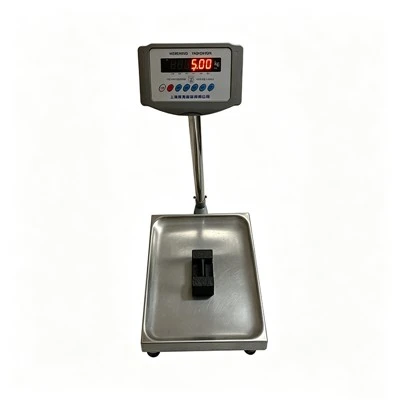
Now, I know all this sounds like a lot, but the truth is, weighbridges are still essential for mines. Without them, you can’t track production, ensure safety, or comply with regulations. That’s why we spend so much time designing scales that can handle these challenges. We build our weighbridges with heavy-duty load cells that are sealed against dust and moisture, we use reinforced platforms to handle shock loads, and we offer remote calibration services so we can troubleshoot without being on site. We also provide maintenance plans that fit into a mine’s schedule—so you don’t have to put it off.
Electronic Truck Scale If your mine is dealing with weighbridge issues—whether it’s inaccurate readings, constant breakdowns, or calibration headaches—let’s talk. We’ve helped dozens of mining operations fix these problems, and we can work with you to find a weighbridge solution that fits your site’s specific needs. Don’t let a faulty scale slow down your production or cost you money. Reach out to us to set up a consultation, and we’ll walk through your challenges and find the right fit.
References
- Mining Journal. (2022). "The Critical Role of Weighing Systems in Modern Mining Operations."
- International Society of Automation. (2021). "Environmental Challenges to Industrial Weighing Equipment in Remote Mining Sites."
- Occupational Safety and Health Administration. (2020). "Overload Prevention for Heavy Mining Trucks and Weighbridge Compliance Standards."
Shanghai Eagle Brand Weighing Apparatus Co., Ltd.
As one of the most professional weighbridge manufacturers and suppliers in China, we’re featured by quality products and good service. Welcome to wholesale advanced weighbridge in stock here and get pricelist from our factory. We also accept customized orders.
Address: No. 124, Group 1, Baqiao, Wangjiawei, Zhelin Town, Fengxian District, Shanghai
E-mail: 13386116000@163.com
WebSite: https://www.cneaglebrand.com/
