Hey guys, let’s cut to the chase—if you’ve ever stood in the skincare aisle, staring at two identical cotton pads: one labeled “organic” and the other just “cotton,” then did a double take at the price tag on the organic one, you’re not alone. As a cotton pads supplier who’s been in this game for over a decade, I get the frustration. Customers always ask me the same question: Are organic cotton pads really worth the extra cash? Let’s break this down like we’re chatting over coffee—no fancy jargon, just the straight stuff. Cotton Pads

First, let’s get one thing out of the way: regular conventional cotton pads aren’t as innocent as they look. Conventional cotton is one of the most pesticide-heavy crops on the planet. Wait, let me make that clear—studies from environmental groups like the Textile Exchange say conventional cotton uses around 25% of the world’s insecticides and 10% of pesticides, even though it only covers 2.4% of global farmland. Crazy, right? Those chemicals don’t just disappear after the cotton gets harvested. When conventional cotton is processed into pads, leftover pesticide residues can stick around. And even if they don’t, the way it’s grown hurts the people growing it—farmers in major cotton-producing countries like India and Uzbekistan are often exposed to toxic chemicals without proper protective gear. That’s not just an environmental issue; it’s a human one.
Now, what makes organic cotton different? Organic cotton is grown without all those synthetic pesticides, herbicides, and fertilizers. Instead, farmers use natural methods like crop rotation, compost, and beneficial bugs to keep pests away. For me, as a supplier, that means our organic cotton pads aren’t just a label—they’re made from cotton that’s been certified (GOTS, if you care about specifics, but we don’t sweat the acronyms here) to meet strict standards. No weird chemicals, no residual toxins that can end up on your face. If you’ve got sensitive skin (rosacea, acne-prone, just easily irritated), that’s a big deal. Regular cotton pads might have tiny leftover pesticide traces that can trigger redness or breakouts, especially when you’re rubbing them on your skin or using them with toner/essence.
But let’s talk about performance, because let’s be real—if organic pads are flimsy and fall apart mid-use, no one’s gonna care if they’re “good for the planet.” From what our customers tell us, and from the feedback we’ve tracked over the years, organic cotton pads are actually thicker and more durable than regular ones. Conventional cotton is often treated with chemicals to make it cheaper to produce, which can make the fibers weaker. Organic cotton fibers are longer and more intact, so they don’t leave those annoying little fuzz balls all over your face or your makeup. I’ve had so many customers message us saying they used to go through two regular pads for one skincare step, but one organic pad does the job. That ends up balancing out the cost a bit—you’re not just paying for a label, you’re getting more use out of each pad.
Wait, but is the extra cost worth it for everyone? Let’s be honest: if you’re on a super tight budget, and you’re just using cotton pads to remove old makeup (not toner, not sensitive skin stuff), regular ones might work for you. But here’s the thing—most of us use cotton pads for more than just makeup removal. We use them to apply toner, to soothe irritated skin, even to do DIY face masks with essential oils. When you’re putting something directly on your skin multiple times a day, those chemicals add up over time. Even small amounts of pesticide exposure can be harmful, especially if you’re using pads daily. A 2021 study from the Journal of Environmental Research and Public Health found that personal care products made with conventional cotton can have trace levels of pesticides that accumulate in the body over time. That’s not a scare tactic—it’s just science.
Another angle: the environmental impact. Conventional cotton farming uses a ton of water too—like 2,700 liters of water to make one t-shirt, which is enough for one person to drink for 3 years. For cotton pads, it’s less, but still more than organic. Organic cotton uses 91% less water than conventional cotton, according to the same Textile Exchange data. And it doesn’t pollute local water sources with those toxic pesticides, which kill fish and harm ecosystems near farms. As a supplier, we’re not just selling a product—we’re part of a supply chain that can make a difference. When you choose organic, you’re supporting farmers who are working with the environment, not against it. That’s a value a lot of our customers care about, and it makes the extra cost feel worth it.
But let’s address the counterargument: some people say organic pads are overhyped, and the difference is negligible. I get that. If you’re only using pads once in a while, or you don’t have sensitive skin, the gap might not be that noticeable. But for regular users—people who use pads every day for skincare—the small differences add up. Less irritation, fewer fuzz balls, less exposure to chemicals, and a smaller carbon footprint. For me, that’s worth the extra couple dollars per pack.
Wait, but don’t take my word for it. Let’s talk about real customer stories. Last month, a woman reached out to us saying she’d struggled with acne for years, and her dermatologist told her to switch to non-irritating pads. She tried our organic ones, and said her breakouts went down in 2 weeks because the pads didn’t have any harsh chemicals. Another customer, a high school student, said she used to buy cheap pads for $1 a pack, but she goes through 3 packs a month. Now she spends $3 a pack, but only goes through 1.5 packs a month, so she’s actually saving money in the long run. That’s the part no one tells you—organic pads’ durability often offsets the higher upfront cost.
But here’s the thing to watch out for: not all “organic” cotton pads are created equal. A lot of brands slap the word “organic” on their product without any certification, just to charge more. That’s why it’s important to buy from a trusted supplier (wink, wink—like us). We make sure every batch of our organic cotton pads is third-party tested, so you know there’s no hidden chemicals. You can’t just rely on the label—do a little digging, ask for certifications, if a brand can’t provide them, it’s probably not worth the extra cash.
So, wrapping this up: Are organic cotton pads worth the extra cost? It depends on your lifestyle, your skin, and your values. If you have sensitive skin, use pads daily, care about the environment, or want to avoid harsh chemicals, yes—absolutely. If you’re on a tight budget and only use pads occasionally for makeup removal, maybe stick with regular ones. But let’s be real: most of us fall into the first category. The difference in cost isn’t that big—usually a few dollars extra per pack—and the benefits for your skin, the farmers, and the planet add up way more than that.
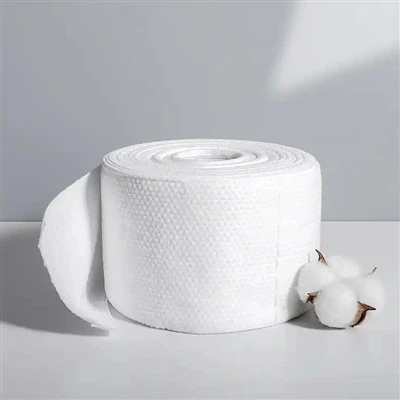
If you’re thinking about making the switch, or you want to learn more about our organic cotton pads, don’t hesitate to reach out for a chat. We’re here to answer all your questions, help you figure out if it’s right for you, and even work out bulk pricing if you’re looking to stock up.
Clean Face Towels References
Textile Exchange. (2022). Cotton Sustainability Report.
Journal of Environmental Research and Public Health. (2021). Pesticide Residues in Personal Care Products and Human Exposure.
World Wildlife Fund. (2020). The Impact of Conventional Cotton Farming on Water Resources.
Ningbo Shino Cosmetic Cotton Co., Ltd.
As one of the most professional cotton pads manufacturers and suppliers in China, we have world-leading production equipment and strong manufacturing capabilities. Please feel free to wholesale bulk customized cotton pads from our factory. Welcome to contact us for quotation and free sample.
Address: No.589 Fengming Road, Xiepu Town, Zhenhai District, Ningbo City, Zhejiang Province
E-mail: sale@cnshino.com
WebSite: https://www.shinoglobal.com/
