If you’ve ever stood on a construction site watching steel beams rise through rain and humidity, or opened a factory machine that’s sat unused for weeks in a coastal industrial zone, you’ve probably noticed that some fasteners keep holding tight while others start rusting, corroding, and failing before their time. As someone who’s spent 12 years selling industrial fasteners to everything from bridge builders to food processing plants, I can tell you this isn’t a random quirk—it’s the difference between standard fasteners and corrosion-resistant industrial fasteners, the unsung heroes of any operation that runs 24/7 in tough conditions. Let’s break down what they are, why they matter, and how to pick the right ones for your job, no buzzwords or sales fluff included. Industrial Fasteners

First, let’s get one thing straight: corrosion isn’t just rust. Most people use “rust” interchangeably with any metal decay, but rust is only the red, flaky stuff that forms on iron and steel when exposed to water and oxygen. Corrosion is a broader, slower process that eats away at almost all metals—aluminum, copper, stainless steel, even titanium—when they react with elements around them: salt spray from the coast, acidic fumes from a chemical plant, condensation in a cold storage warehouse, or even the sugar and preservatives in a candy factory that leak onto conveyor hardware. For industrial fasteners, that decay isn’t just a cosmetic problem. A rusted bolt holding a bridge joint together can snap during heavy traffic. A corroded screw securing a valve in a water treatment plant can leak toxic waste. A fastener failing on a food processing line can contaminate an entire batch of product, costing millions in recalls. So corrosion-resistant fasteners aren’t just a nice upgrade—they’re a safety and budget necessity.
Now, what makes a fastener corrosion-resistant? It boils down to two basic ideas: either use a metal that doesn’t react easily with its environment, or add a barrier between the metal fastener and the corrosive elements around it. I’ve worked with thousands of fasteners over the years, and the five most common types of corrosion-resistant fasteners you’ll see in industrial settings all fit into one of these two buckets, each with their own pros, cons, and ideal uses.
Stainless steel is probably the first one that comes to mind, and for good reason. Unlike regular steel, which is mostly iron and carbon, stainless steel has chromium added to it—usually between 10.5% and 30% by weight. When chromium hits oxygen, it forms a super thin, invisible layer of chromium oxide that seals the metal inside, keeping water and corrosive elements out. It’s like a self-healing shield; if you scratch the surface, a tiny bit of extra chromium from the surrounding metal will react with oxygen and re-seal the scratch, at least in most non-extreme environments. Not all stainless steel is the same, though, and that’s where I see people make costly mistakes every day. The two main grades for industrial use are 304 and 316. 304 stainless is the workhorse—great for general indoor use, food processing plants that don’t handle heavy salt or acids, and general construction. It’s affordable, easy to source, and does the job for most mild corrosion risks. But 316 stainless is a step up: it has molybdenum added, which makes it resistant to salt, acids, and high humidity. This is the one you need for coastal projects, marine equipment, chemical processing, or any job where salt spray is a constant issue. I once had a customer who installed 304 stainless bolts on a pier in Florida and they were completely rusted through in 18 months—switched to 316, and they’re still going strong 10 years later. The moral here? Don’t just ask for “stainless steel”; ask for the grade that matches your specific environment.
Next, galvanized steel fasteners. If stainless steel is built to avoid corrosion, galvanized steel is a regular steel bolt with a barrier coating to keep corrosion out. The most common galvanizing process is hot-dip galvanizing, where you dip the entire steel fastener into molten zinc. The zinc bonds chemically to the steel, creating a thick, rough layer that acts as a physical barrier. But here’s another key point: zinc actually sacrifices itself to protect the steel underneath. If the zinc layer gets scratched, the zinc will corrode first instead of the steel, which is called cathodic protection. That’s why galvanized fasteners are so popular for outdoor construction, fencing, and highway projects—they’re way cheaper than stainless steel and hold up really well in mild to moderate outdoor conditions. They do have limits, though. Galvanized fasteners shouldn’t be used with aluminum, because the two metals react when touching each other in moisture and cause corrosion on both. They also don’t hold up well in very high heat, or in contact with strong acids or chemicals. I always tell customers: galvanized is your go-to for general outdoor use, but if your job has harsh chemicals or salt, go stainless.
Then there’s zinc-nickel plating, a step up from standard galvanizing that’s gained a lot of traction in the last 10 years. Standard zinc plating wears out faster, especially in harsh environments, but zinc-nickel coatings have 10-15% nickel mixed in with the zinc, making the barrier way more durable. Zinc-nickel fasteners can last 5-10 times longer than standard galvanized ones in salt spray tests, and they work well in moderate chemical environments too. They’re also less likely to hydrogen embrittlement, which is a hidden problem with some plated fasteners—when the plating process traps hydrogen in the metal, it can make high-strength steel bolts snap unexpectedly under pressure. I’ve seen more than one construction job delayed because a batch of cheap plated bolts broke during installation, so zinc-nickel is a safer bet for high-strength applications where embrittlement is a risk. It’s a bit more expensive than galvanized, but it’s a middle ground that’s worth the cost for many industrial jobs.
For high-heat environments, like furnaces, boiler rooms, or power plants, you need something that can handle temperatures way above what stainless or galvanized can take. That’s where alloy steel fasteners with specialized coatings come in, or even superalloys like Inconel or Hastelloy. Inconel is a nickel-chromium alloy that can handle temperatures up to 2,000 degrees Fahrenheit, and it’s resistant to oxidation and corrosion even when exposed to hot gases or chemicals. I supply a lot of Inconel fasteners to aerospace and power generation customers, because regular steel would melt or corrode in those conditions. They’re pricey—three or four times the cost of stainless steel—but when a fastener failure in a power plant can shut down an entire city, the cost is worth it.
Last, but not least, is aluminum fasteners. Aluminum is a lightweight metal that forms its own oxide layer, just like stainless steel, but it’s softer and not as strong as steel, so it’s mostly used for aerospace, automotive, and consumer goods where weight matters more than extreme strength. It’s corrosion-resistant in most environments, but it reacts badly with steel or stainless steel when touching, causing galvanic corrosion, so you have to use aluminum fasteners with aluminum parts or use a non-conductive spacer between aluminum and steel. I don’t sell a ton of aluminum fasteners compared to stainless or galvanized, but when I do, it’s for specific jobs where every pound counts.
Now, I know what a lot of customers ask me: “Which corrosion-resistant fastener is the best?” and the answer is always, “It depends on your job.” A lot of people overbuy by getting 316 stainless for a fence in Iowa where it never gets above 90 degrees or has salt spray, wasting hundreds of dollars. Others underbuy by getting galvanized bolts for a pier in Miami, leading to failure and replacement costs down the line. To figure out the right one, start by answering three questions: What’s the environment the fastener will be in? What metal is it fastening to? And what’s the load or pressure it will be under? If you’re fastening two steel beams in a dry warehouse, galvanized is enough. If you’re fastening a gate to a pier in Florida, get 316 stainless. If you’re working in a chemical plant handling acids, go with a high-grade alloy or zinc-nickel.
I’ve seen so many companies make the mistake of treating fasteners as an afterthought—just whatever’s cheapest at the supply closet. But here’s a truth I’ve learned over 12 years in this business: fasteners are the glue that holds industrial operations together. A bridge that falls, a factory that shuts down, a product recall that costs millions—almost all of these can be traced back to a small, cheap fastener that failed because it wasn’t the right one for the job. Corrosion-resistant industrial fasteners aren’t a luxury. They’re an investment in safety, in reducing downtime, and in avoiding costly repairs.
At the end of the day, every industrial job has unique needs, and there’s no one-size-fits-all solution. If you’re not sure which fastener is right for your application, I’ve built my business on talking through these questions with customers, no pressure to buy something you don’t need, no hidden fees. Whether you need a single bolt for a small repair or a thousand fasteners for a large construction project, I can help you pick the right corrosion-resistant fastener that fits your budget and your requirements.
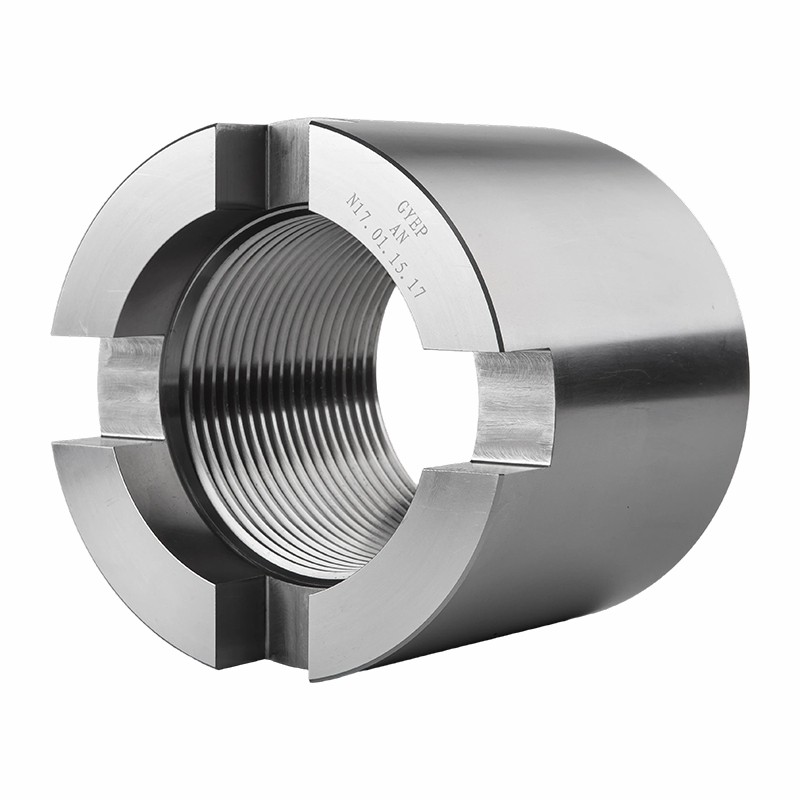
If you’re tired of dealing with fasteners that rust, corrode, or fail too soon, don’t guess or go for the cheapest option. Reach out to me to discuss your project, and I’ll help you find the perfect corrosion-resistant industrial fasteners that will keep your operation running smoothly for years to come.
Turbine Diaphragm References
- ASM International. (2008). Corrosion: Understanding the Basics. Materials Park, OH: ASM International.
- Davis, J. R. (Ed.). (2000). Stainless Steels: Processing, Structure, and Performance. Materials Park, OH: ASM International.
- Crawford, M. (2018). Hot-Dip Galvanizing for Corrosion Protection. Pittsburgh, PA: Hot-Dip Galvanizing Association.
- Nelson, W. (2020). “Galvanic Corrosion in Industrial Fastening Systems.” Journal of Industrial Fasteners, 12(3), 45-52.
- Jones, D. A. (1996). Principles and Prevention of Corrosion (2nd ed.). Upper Saddle River, NJ: Prentice Hall.
Hebei Guoyuan Electric Co., Ltd.
Address: No. 18 Tianshan Science and Technology Industrial Park, No. 319 Xiangjiang Road, Shijiazhuang High-tech Zone, Hebei Province, China
E-mail: turbine@goineep.com
WebSite: https://www.goineep.com/
