Hey there! I’m a supplier of rubber distribution boxes, and I often get asked about the temperature limits for these boxes. It’s a super important question because the temperature can have a huge impact on the performance and lifespan of the box. So, let’s dive right in and talk about what those temperature limits are and why they matter. Rubber Distribution Box

First off, let’s understand why temperature is such a big deal for rubber distribution boxes. Rubber is a pretty amazing material, but it has its limits. When it gets too hot, rubber can start to break down. It might become softer, lose its shape, or even develop cracks. On the flip side, when it’s too cold, rubber can become brittle and more likely to snap or break. And since these distribution boxes are used to house electrical components and protect them from the environment, any damage to the box can put those components at risk.
So, what are the typical temperature limits? Well, most rubber distribution boxes are designed to work in a temperature range of about -40°F (-40°C) to 185°F (85°C). This range is based on a whole bunch of factors, including the type of rubber used, the additives in the rubber, and the intended application of the box.
Let’s start with the cold end of the spectrum. -40°F (-40°C) is seriously cold! But some parts of the world experience these kinds of temperatures, especially in the winter. When the temperature drops this low, the rubber in the distribution box can become very stiff. It loses its flexibility, and if there’s any stress or movement on the box, it could crack. That’s why we use special formulations of rubber that are designed to stay flexible even in extremely cold conditions. These formulations often include additives that help lower the glass transition temperature of the rubber. The glass transition temperature is the point at which the rubber goes from being a flexible material to a hard, glass – like state.
Now, let’s talk about the high – temperature end. 185°F (85°C) is a pretty high temperature, but it’s not uncommon for electrical components inside the distribution box to generate heat. When the box is exposed to high ambient temperatures or if the components are working hard and producing a lot of heat, the temperature inside the box can rise. At these high temperatures, the rubber can start to degrade. The polymers in the rubber can break down, which can lead to a loss of strength and elasticity. Over time, this can cause the seals on the box to fail, allowing moisture and dust to get inside and damage the electrical components.
To make sure our rubber distribution boxes can handle these temperature extremes, we do a lot of testing. We use environmental chambers to simulate different temperature conditions. We put the boxes in these chambers and expose them to a range of temperatures, from very cold to very hot. We also test how the boxes perform over time at these temperatures. For example, we might leave a box at the maximum temperature limit for weeks or even months to see how it holds up.
Another important factor is the rate of temperature change. Sometimes, the temperature can change very quickly, like during a sudden cold snap or a heatwave. A rapid temperature change can cause thermal stress on the rubber. The rubber expands and contracts at different rates depending on the temperature, and if the change is too fast, it can cause internal stresses that lead to cracks. That’s why we also test our boxes with rapid temperature cycling to make sure they can handle these changes without getting damaged.
Now, you might be wondering, what if you need a box that can handle even more extreme temperatures? Well, we can customize the rubber formulation to meet your specific needs. If you’re operating in an environment where the temperatures regularly go below – 40°F (-40°C), we can work on developing a rubber blend that has an even lower glass transition temperature. Similarly, if you need a box that can handle temperatures above 185°F (85°C), we can explore using high – temperature resistant additives or different types of rubber that can withstand higher heat.
When choosing a rubber distribution box, it’s crucial to think about the temperature conditions of your application. If you’re installing the box outdoors in a desert region, where the temperatures can soar during the day and drop significantly at night, you need a box that can handle those extreme temperature variations. On the other hand, if you’re using the box in a climate – controlled indoor environment, the temperature limits might not be as critical, but it’s still important to choose a box that can handle any minor temperature fluctuations that might occur.
In addition to the temperature limits, it’s also important to consider other environmental factors. Things like humidity, UV exposure, and chemical exposure can also affect the performance of the rubber distribution box. For example, high humidity can cause the rubber to absorb moisture, which can lead to swelling and degradation over time. UV rays from the sun can break down the rubber’s polymers, causing it to become brittle and discolored. And if the box is exposed to chemicals like solvents or acids, it can cause corrosion and damage to the rubber.
So, whether you’re in the market for a new rubber distribution box or you’re just curious about how they work, understanding the temperature limits is essential. It can help you make the right choice and ensure that your electrical components are well – protected.
If you’re interested in learning more about our rubber distribution boxes or have specific temperature requirements for your project, don’t hesitate to get in touch. We’re here to help you find the perfect box for your needs. We can provide you with detailed information about the temperature ratings of our products, our testing procedures, and any customization options available. You can reach out to our sales team, and they’ll be happy to have a chat with you and answer all your questions.
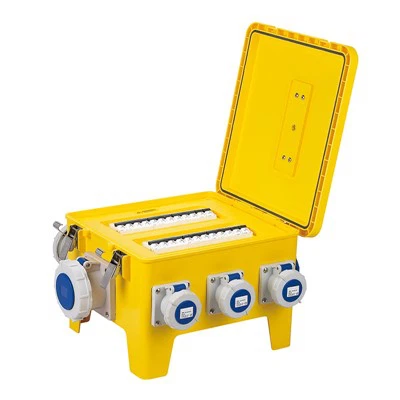
Let’s work together to find the best rubber distribution box solution for your application!
Commercial Distribution Box References
- ASTM International standards on rubber materials and environmental testing.
- Industry research on the effects of temperature on rubber products.
- Technical documentation from rubber manufacturers regarding material properties and temperature limits.
Apeks Electric Co., Ltd.
As one of the leading rubber distribution box manufacturers and suppliers in China, we also support custom service. With abundant experience, we warmly welcome you to wholesale high quality rubber distribution box from our factory. Welcome to view our website for more information.
Address: No.2 Yuyao Rd, Yuxin, Nanhu District, Jiaxing, China
E-mail: kevin@apekselectric.com
WebSite: https://www.powerdistros.com/
