Do furniture handles need to be lubricated? This is a question that often comes up in the furniture industry, and as a furniture handles supplier, I’d like to share some insights on this topic. Furniture Handles
The Function of Furniture Handles
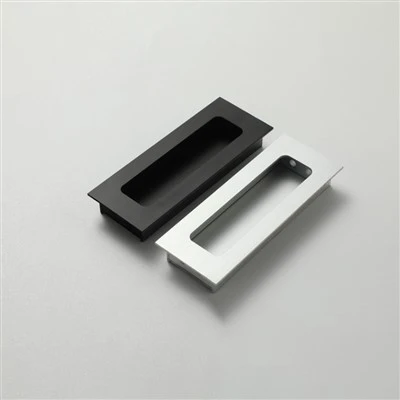
Furniture handles serve both functional and aesthetic purposes. Functionally, they provide a grip for opening and closing drawers, cabinets, and doors. Aesthetically, they can enhance the overall look of the furniture, adding a touch of style and personality. However, over time, the smooth operation of these handles can be affected by various factors, and this is where lubrication might come into play.
Reasons for Lubrication
1. Reducing Friction
One of the primary reasons for lubricating furniture handles is to reduce friction. When a handle is used repeatedly, the moving parts can rub against each other, causing wear and tear. This friction can make the handle difficult to operate, and in some cases, it can even lead to damage. By applying a lubricant, we can create a smooth surface between the moving parts, allowing them to glide more easily. For example, in a kitchen cabinet with a high – traffic drawer, the handle may start to feel stiff after a few months of use. A small amount of lubricant can restore its smooth operation.
2. Preventing Corrosion
Another important aspect is corrosion prevention. Furniture handles are often exposed to different environmental conditions. In a bathroom, for instance, the high humidity can cause metal handles to rust. Lubricants can act as a protective barrier, preventing moisture from reaching the metal surface and thus reducing the risk of corrosion. This is especially crucial for handles made of materials like iron or steel, which are more prone to rusting.
3. Extending the Lifespan
By reducing friction and preventing corrosion, lubrication can significantly extend the lifespan of furniture handles. A well – lubricated handle is less likely to break or malfunction, which means that the furniture it is attached to can be used for a longer time without the need for handle replacement. This is not only beneficial for the end – user but also for the furniture industry as a whole, as it reduces waste and replacement costs.
Types of Lubricants
1. Silicone – based Lubricants
Silicone – based lubricants are a popular choice for furniture handles. They are non – greasy, which means they won’t leave a messy residue on the handle or the surrounding furniture. Silicone lubricants also have good temperature resistance, making them suitable for use in different environments. They can provide long – lasting lubrication and are effective in reducing friction.
2. Graphite Lubricants
Graphite lubricants are another option. They are dry lubricants, which means they don’t attract dust and dirt as much as some other types of lubricants. Graphite is a good conductor of heat, which can help dissipate any heat generated by friction. This type of lubricant is often used for handles that are subject to high – speed or heavy – duty use.
3. Oil – based Lubricants
Oil – based lubricants are more traditional. They can provide excellent lubrication, but they tend to be greasy and may attract dirt over time. However, they are still a good choice for some types of handles, especially those made of wood or with moving parts that require a more viscous lubricant.
When to Lubricate
1. New Handles
It is a good practice to lubricate new furniture handles before installation. This can ensure that they start off with smooth operation and can also help prevent any initial wear and tear. By applying a small amount of lubricant to the moving parts, we can give the handles a better start in their lifespan.
2. Regular Maintenance
For existing furniture, regular maintenance is key. Depending on the frequency of use, handles should be lubricated every few months. In high – traffic areas, such as kitchens and bathrooms, more frequent lubrication may be necessary. A simple visual and tactile inspection can help determine when a handle needs lubrication. If the handle feels stiff or makes a squeaking noise when operated, it’s a sign that lubrication is needed.
How to Lubricate
1. Preparation
Before lubricating, it’s important to clean the handle. Use a mild soap and water solution to remove any dirt, dust, or grime from the handle surface. Dry the handle thoroughly with a clean cloth.
2. Application
For silicone – based or oil – based lubricants, a small amount can be applied directly to the moving parts of the handle, such as the pivot points or the sliding mechanisms. Use a small brush or a cotton swab to ensure that the lubricant is evenly distributed. For graphite lubricants, they can be applied in a powder form. Simply sprinkle the graphite powder on the moving parts and then work the handle back and forth to distribute the powder.
3. Wiping
After applying the lubricant, wipe off any excess with a clean cloth. This will prevent the lubricant from attracting dirt and will keep the handle looking clean.
The Role of a Furniture Handles Supplier
As a furniture handles supplier, we play an important role in providing information and support regarding handle maintenance. We can offer advice on the best types of lubricants for different handle materials and applications. We can also provide educational materials to our customers, such as brochures or online guides, on how to lubricate and maintain their furniture handles.
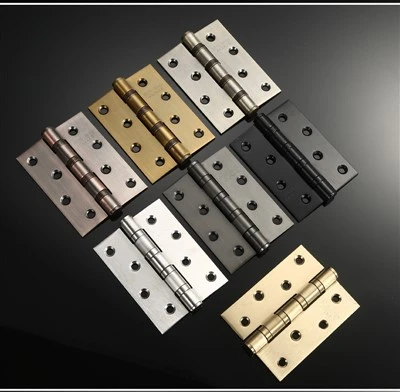
In addition, we can ensure that the handles we supply are of high quality and are designed to be easily maintained. By using durable materials and precision manufacturing techniques, we can reduce the need for frequent lubrication and maintenance. However, we also recognize that lubrication is an important part of keeping the handles in good condition, and we are committed to helping our customers make the most of their furniture handles.
Encouraging Contact for Purchase and Discussion
Slide Rail If you are in the market for high – quality furniture handles, or if you have any questions about handle lubrication and maintenance, we’d love to hear from you. Our team of experts is always ready to provide you with the best advice and products. Whether you are a furniture manufacturer, a retailer, or a DIY enthusiast, we can offer a wide range of furniture handles to meet your needs. Contact us to start a discussion about your requirements, and let’s work together to find the perfect furniture handles for your projects.
References
- "Furniture Hardware Handbook" by John A. Golan
- "The Complete Guide to Furniture Maintenance" by Sarah Thompson
- "Materials Science for Furniture Design" by David R. Jones
Guangzhou Fengcheng Industrial Co., Ltd.
As one of the most professional furniture handles manufacturers and suppliers in China, we’re featured by quality products and good price. Please rest assured to buy bulk furniture handles for sale here and get quotation from our factory. We also accept customized orders.
Address: No. 135-136, Tianjian Square, Baiyun District, Guangzhou City, Guangdong Province
E-mail: fc223228@163.com
WebSite: https://www.foncher.com/
