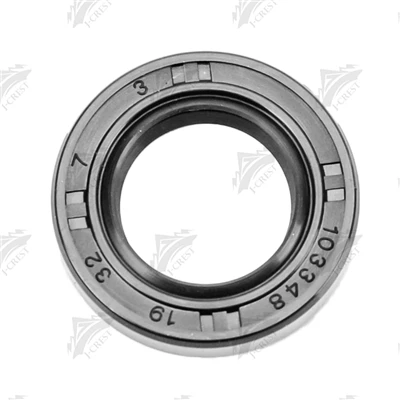
When it comes to the world of industrial components, oil seals play a crucial role in ensuring the smooth operation of machinery. As an oil seal supplier, I’ve witnessed firsthand the diverse needs of our customers and the ongoing debate between domestic and imported oil seals. In this blog, I’ll delve into the key differences between these two types of oil seals, providing insights that can help you make an informed decision for your specific requirements. Oil Seal

Manufacturing Standards and Quality Control
One of the most significant differences between domestic and imported oil seals lies in their manufacturing standards and quality control processes. Imported oil seals often adhere to international standards such as ISO, DIN, or JIS, which are recognized for their strict quality requirements. These standards ensure that the oil seals are manufactured with precision and consistency, resulting in reliable performance and long service life.
On the other hand, domestic oil seals may follow national or industry-specific standards, which can vary in terms of stringency. While many domestic manufacturers produce high-quality oil seals that meet or exceed these standards, there may be a wider range of quality levels in the domestic market. This is because some domestic manufacturers may cut corners to reduce costs, resulting in lower-quality products.
As an oil seal supplier, we understand the importance of quality control. We work closely with our domestic and international partners to ensure that all our oil seals meet the highest standards of quality. We conduct rigorous inspections at every stage of the manufacturing process, from raw material selection to final product testing, to ensure that our customers receive only the best oil seals.
Material Selection
Another key difference between domestic and imported oil seals is the material selection. Imported oil seals often use high-quality materials that are specifically designed for their intended applications. These materials may include synthetic rubber compounds, such as nitrile rubber (NBR), fluorocarbon rubber (FKM), or silicone rubber (VMQ), which offer excellent resistance to heat, chemicals, and abrasion.
Domestic oil seals may also use high-quality materials, but there may be more variability in the quality and performance of these materials. Some domestic manufacturers may use lower-quality materials to reduce costs, which can result in shorter service life and reduced performance.
At our company, we offer a wide range of oil seals made from high-quality materials to meet the diverse needs of our customers. We work closely with our suppliers to ensure that we source the best materials for our oil seals, and we conduct extensive testing to ensure that these materials meet our strict quality standards.
Design and Engineering
Imported oil seals often feature advanced design and engineering techniques that are not commonly found in domestic oil seals. These techniques may include the use of computer-aided design (CAD) and finite element analysis (FEA) to optimize the design of the oil seals for specific applications. This can result in improved performance, reduced friction, and longer service life.
Domestic oil seals may also feature advanced design and engineering techniques, but there may be more variability in the level of sophistication of these techniques. Some domestic manufacturers may use traditional design methods, which may not be as effective in optimizing the performance of the oil seals.
As an oil seal supplier, we understand the importance of design and engineering in ensuring the performance and reliability of our oil seals. We work closely with our customers to understand their specific requirements and develop customized solutions that meet their needs. We also invest in the latest design and engineering technologies to ensure that our oil seals are at the forefront of innovation.
Price
Price is often a major factor in the decision between domestic and imported oil seals. Imported oil seals are generally more expensive than domestic oil seals due to factors such as higher manufacturing costs, import duties, and shipping fees. However, the higher price of imported oil seals may be justified by their superior quality, performance, and reliability.
Domestic oil seals are generally less expensive than imported oil seals, making them a more cost-effective option for some applications. However, it’s important to note that the lower price of domestic oil seals may be due to lower quality materials or manufacturing processes, which can result in shorter service life and reduced performance.
At our company, we offer a range of oil seals at different price points to meet the diverse needs of our customers. We believe that quality should not come at a high price, and we work hard to offer our customers the best value for their money. We also offer competitive pricing on our imported oil seals to make them more accessible to our customers.
Availability and Lead Time
Another factor to consider when choosing between domestic and imported oil seals is availability and lead time. Imported oil seals may have longer lead times due to factors such as shipping and customs clearance. This can be a significant issue for customers who need their oil seals quickly.
Domestic oil seals are generally more readily available than imported oil seals, which can be a major advantage for customers who need their oil seals quickly. However, it’s important to note that the availability of domestic oil seals may vary depending on the manufacturer and the specific product.
As an oil seal supplier, we understand the importance of availability and lead time. We maintain a large inventory of oil seals to ensure that we can meet the needs of our customers quickly. We also work closely with our suppliers to ensure that we can obtain the oil seals we need in a timely manner.
Conclusion
In conclusion, there are several key differences between domestic and imported oil seals, including manufacturing standards, material selection, design and engineering, price, and availability. When choosing between domestic and imported oil seals, it’s important to consider your specific requirements and budget. If you need high-quality, reliable oil seals for critical applications, imported oil seals may be the best option. However, if you’re on a tight budget or need your oil seals quickly, domestic oil seals may be a more cost-effective option.
Brake Discs As an oil seal supplier, we’re committed to providing our customers with the best quality oil seals at competitive prices. We offer a wide range of domestic and imported oil seals to meet the diverse needs of our customers, and we’re always happy to help our customers choose the right oil seals for their specific applications. If you have any questions or need more information about our oil seals, please don’t hesitate to contact us. We look forward to working with you!
References
- "Oil Seals: A Comprehensive Guide." Machinery Lubrication.
- "The Importance of Quality Control in Oil Seal Manufacturing." Industrial Lubrication and Tribology.
- "Material Selection for Oil Seals." Rubber World.
Ningbo Saikan Auto Spare Parts Co., Ltd.
As one of the most professional oil seal manufacturers and suppliers in China, we’re featured by quality products and good service. Please feel fee to wholesale high-grade oil seal in stock here from our factory. Thank you for your interest in our products.
Address: RM. 9-1-2 Shanhai Fortune Building Luotuo Street, Zhenhai District, Ningbo, Zhejiang Province, China
E-mail: info@saikanautoparts.com
WebSite: https://www.saikanautoparts.com/
